
Plants
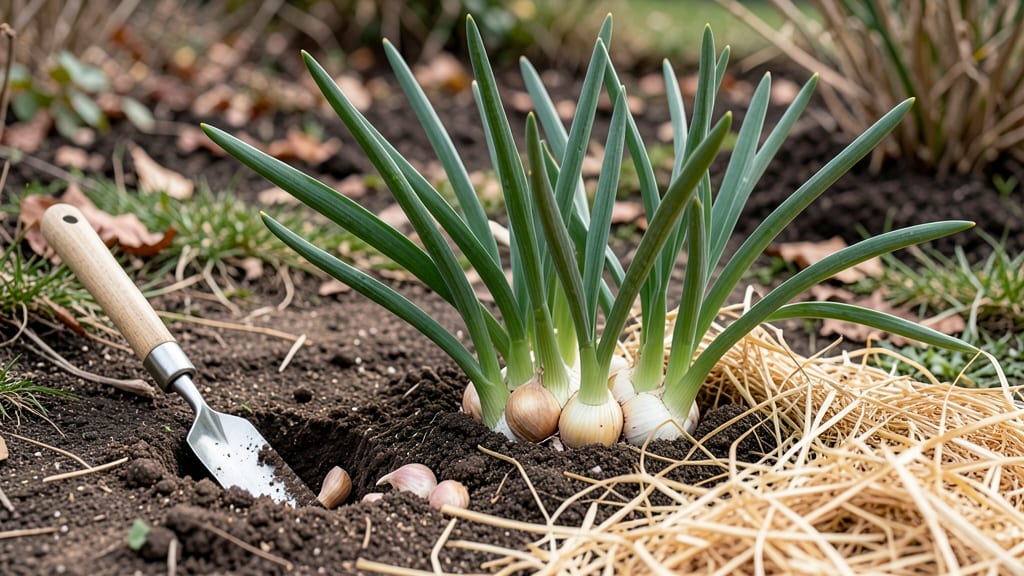
Planting garlic in South Louisiana isn’t just about timing—it’s about outsmarting the heat and humidity to grow plump, flavorful bulbs 🧄. If you’ve ever watched your garlic bolt into flower stems or shrivel under summer’s relentless sun, you know the stakes are high.
The key? Planting in October or November when soil temps dip below 75°F, giving your crop time to establish roots before the real heat hits.
Here’s the game-changer: South Louisiana’s Zone 8a-9a climate demands a different approach than northern gardens. Too early, and your garlic will face summer’s oppressive heat; too late, and it may not mature before the next growing season.
I’ll show you exactly how to sync your planting schedule with Louisiana’s unique microclimates—whether you’re in New Orleans or Baton Rouge—to maximize yield and flavor.
We’ll also tackle the tough questions: Should you choose heat-tolerant softneck varieties or risk hardnecks? How do you protect your crop from sudden cold snaps or hurricane season? And what’s the secret to avoiding those pesky pests that love Louisiana’s damp conditions?
Spoiler: It’s all about preparation, and I’ve got the step-by-step guide to make it easier than you think.
Ready to grow garlic that rivals the best from California or Oregon? Let’s dive into the most important tips for a foolproof harvest—no matter what South Louisiana throws your way.
Optimal planting windows for South Louisiana garlic success
South Louisiana’s Zone 9b climate creates unique opportunities for garlic growers, but the timing window is narrow. Unlike northern regions, we don’t have traditional frost cycles to guide planting—so understanding soil temperature thresholds and heat tolerance is critical.
The two best periods are fall (October-November) and winter (December-January), each with distinct advantages for our humid subtropical conditions.
For fall planting, aim for 4-6 weeks before the first frost—typically mid-October through November in most of South Louisiana. This gives cloves time to establish roots before winter’s mild temperatures set in.
In New Orleans, where microclimates are warmer, you can push planting slightly later (late November) compared to Baton Rouge, which experiences cooler nights earlier in the season.
Winter planting (December-January) is riskier but works if you’re using heat-tolerant varieties like Silverskin. The key is ensuring soil temperatures stay above 50°F—below this, cloves may rot. Use a soil thermometer to verify before planting, especially in cooler inland areas like Lafayette.
Why timing matters: Plant too early (August-September), and garlic will bolt prematurely from summer’s heat. Plant too late (February-March), and bulbs won’t mature before the next growing season begins. The 240-day growing cycle of most varieties means you must start by mid-October for a spring harvest.
| Planting Window | Best For | Soil Temp Threshold | Frost Risk | Harvest Window |
|---|---|---|---|---|
| Fall (Oct-Nov) | Hardneck varieties, cooler microclimates | 55-65°F (ideal) | Low (mild winters) | April-May |
| Winter (Dec-Jan) | Softneck/Silverskin, urban gardens | 50-60°F (minimum) | Moderate (varies by year) | May-June |
| Spring (Feb-Mar) | Risky (small bulbs) | 60-70°F (critical) | None (but heat stress) | July-August |
*Adjust for microclimates: Coastal areas (e.g., Grand Isle) can plant 2-3 weeks later than inland zones.
In New Orleans, where humidity lingers year-round, focus on well-draining soil to prevent rot. Amend clay soils with compost and sand before planting. For Baton Rouge’s slightly cooler nights, prioritize hardneck varieties like Rocambole—they tolerate brief cold snaps better than softnecks.
Pro tip: Use mulch (straw or pine needles) to regulate soil temperature. In fall, mulch helps retain warmth; in winter, it insulates against sudden cold snaps. Remove mulch in early spring to prevent fungal diseases from excess moisture.
For urban gardeners in cities like Lafayette or Shreveport, container growing is an option. Plant in deep pots (12"+ depth) with fast-draining mix and move containers to protected spots during heatwaves. Harvest timing shifts slightly—urban garlic often matures 2-3 weeks earlier due to microclimate effects.
Monitor your garlic’s progress by checking for sprouting cloves in 4-6 weeks. If planted in late November, you’ll see shoots by January—a sign roots are established. Adjust watering to 1 inch per week during dry spells, but reduce in winter rains to avoid rot.
Remember: South Louisiana’s garlic success hinges on two factors—soil temperature and variety selection. Hardnecks thrive in cooler fall windows, while softnecks like Silverskin handle winter’s mildness. Test small batches of both to see what works best in your specific microclimate.
How to adjust planting for Louisiana’s unpredictable weather patterns
South Louisiana’s humid subtropical climate throws curveballs with sudden heat spikes and unpredictable cold snaps. These shifts can turn your garlic patch into a gamble if you’re not prepared.
The key is adapting your planting strategy to match Zone 9b’s extremes, from hurricane season risks to summer’s relentless sun. Let’s break down how to protect your crop while maximizing yields.
First, consider the two main threats: early bolting from heat stress and poor bulb development from erratic temperatures. Louisiana’s microclimates (like New Orleans vs. Baton Rouge) add another layer of complexity.
For example, coastal areas may experience warmer winters, while inland zones can drop below 40°F unexpectedly. Adjusting your approach based on these factors is non-negotiable for success.
⚠️ WARNING: Hurricane Season Timing
Planting garlic in late September or early October risks exposure to hurricane season (June-November). If storms hit, heavy winds and flooding can uproot young plants. Wait until mid-October to minimize storm damage, but don’t delay past November 15—your crop needs 120-150 days to mature before summer heat arrives.
Pro tip: Choose raised beds in flood-prone areas to improve drainage and reduce storm-related stress.
To combat heat stress, focus on mulching and shade cloth. A 4-inch layer of straw mulch keeps soil temperatures stable and retains moisture during summer’s 90°F+ days.
For early fall plantings, use 30% shade cloth to protect seedlings from intense afternoon sun while still allowing light penetration. This is especially critical in Zone 9b’s long, hot summers.
Variety selection makes all the difference. Softneck garlic (like ‘Silverskin’) handles humidity better than hardneck varieties, making it ideal for Louisiana’s climate. However, softnecks take longer to mature—240-300 days—so plant them by October 15 to avoid summer heat.
If you prefer hardneck garlic for its bold flavor, opt for early-maturing varieties like ‘Creole’ and plant by November 1.
Don’t overlook soil preparation as a buffer against weather extremes. Amend your soil with compost and aged manure to improve drainage and water retention. Louisiana’s clay-heavy soils can become waterlogged during storms, so aim for a loamy texture.
Test your soil’s pH (6.0-7.0) and add lime or sulfur as needed to create an optimal growing environment.
Finally, monitor your garlic’s progress closely. Sudden cold snaps can stunt growth, while early heat waves may trigger bolting. If temperatures dip below 40°F, cover plants with frost blankets or row covers.
Conversely, if daytime temps exceed 85°F before harvest, provide afternoon shade to prevent stress. With these adjustments, you’ll turn Louisiana’s unpredictable weather into an advantage for a bountiful garlic harvest. 🌱