
Plants
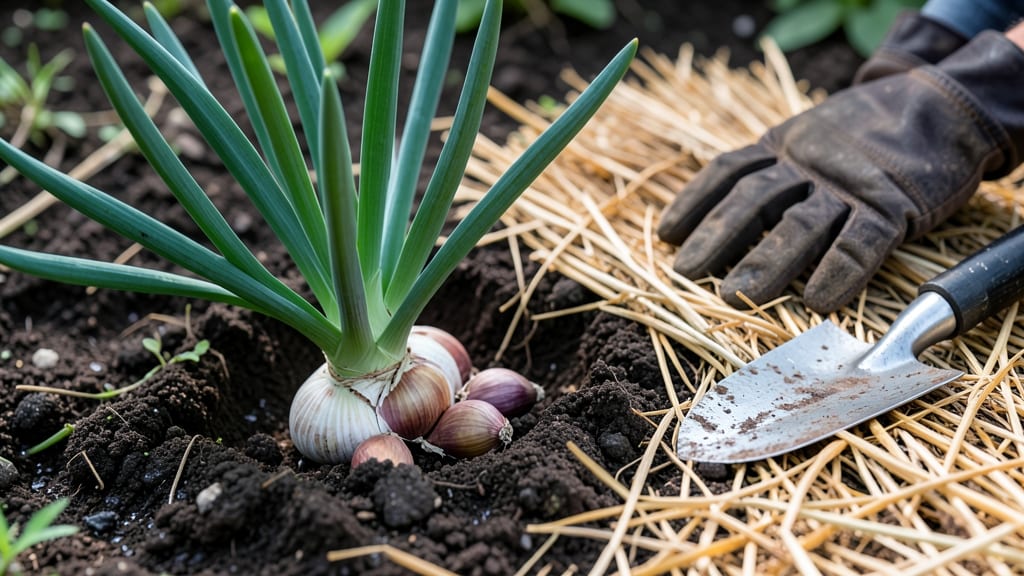
Planting garlic in Zone 10 might seem tricky—what if you miss the window and end up with bolting 🧄 instead of plump bulbs? The key is timing, and the best chance for success lies in those mild winter months when temperatures dip just enough to trigger growth.
Unlike colder zones, Zone 10 gardeners can actually plant garlic twice a year—once in fall and again in winter—for two harvests. But getting it wrong means wasted effort and no harvest at all.
I’ll break down the exact months to plant, how to prep your soil, and even how to protect your crop from the rare heat spikes that can ruin your garlic.
Whether you’re a first-timer or a seasoned grower, this guide will help you avoid common mistakes. You’ll learn why fall planting is the gold standard in Zone 10, how to choose the right varieties, and when to expect your first harvest. Let’s get your garlic off to the right start!
Ready to grow garlic that’s bigger, stronger, and ready to harvest twice a year? The secret starts with the calendar—and I’ll give you the exact dates to mark on yours.
Optimal planting windows for Zone 10 garlic: fall vs spring timing
Zone 10 gardeners enjoy a unique advantage with year-round growing potential, but garlic thrives best when planted during cooler months. Unlike colder zones, we can actually plant garlic twice a year—once for spring harvest and once for fall harvest.
The key lies in understanding temperature triggers that prevent bolting while maximizing bulb development.
Fall planting dominates in Zone 10 because it aligns with natural cooling trends after summer's heat. Ideal soil temperatures for planting fall garlic range between 50-65°F, creating perfect conditions for root establishment before winter.
Spring planting is possible but requires careful timing to avoid summer heat stress, which can trigger bolting.
Here's the critical difference: Fall-planted garlic develops bulbs during winter's mild temperatures, while spring-planted garlic must rush through summer's heat to mature. In Zone 10's frost-free climate, we can actually plant garlic any month except July and August when daytime temperatures exceed 85°F consistently.
| Planting Window | Ideal Months | Soil Temp (°F) | Harvest Window | Key Considerations |
|---|---|---|---|---|
| Fall Planting | Oct-Nov (SoCal), Sep-Oct (AZ), Sep-Oct (FL) | 50-65°F | May-June | Best yields; mild winter growth |
| Spring Planting | Jan-Feb (SoCal), Feb-Mar (AZ), Jan-Feb (FL) | 55-70°F | Oct-Nov | Higher bolting risk; needs shade |
| Avoid Planting | Jun-Aug | Above 85°F | N/A | Extreme bolting risk; poor bulb formation |
For Southern California gardeners, the perfect fall planting window opens in late October through November when daytime highs drop below 75°F. In Arizona's desert climates, start planting in early September to take advantage of monsoon cooling.
Florida's coastal regions can plant as late as mid-October thanks to their moderate winters.
Spring planting offers a second chance for harvest, but requires special care. Plant in January-February when soil temperatures stabilize between 55-70°F. Use shade cloth during summer months to maintain soil temperatures below 80°F and prevent bolting.
This method works best for softneck varieties like 'Silverskin' that tolerate heat better than hardnecks.
One common mistake in Zone 10 is planting garlic too early in fall when summer heat lingers. If you plant in September and daytime temps remain above 80°F, your garlic may bolt before winter arrives. Always check soil temperatures with a soil thermometer before planting to ensure optimal conditions.
Pro tip: Stagger your plantings by 2-3 weeks to extend your harvest window. For example, plant half your garlic in October and the other half in November. This creates a continuous harvest from May through July, giving you fresh garlic for all your summer cooking needs.
Remember that Zone 10's mild winters actually benefit garlic growth. Unlike northern climates where garlic needs cold vernalization, our cool but frost-free winters provide perfect conditions for bulb development. The key is to plant when daytime highs drop below 75°F and maintain consistent moisture throughout the growing season.
For gardeners in coastal areas, watch for marine layer influences that can keep nights cool while days remain warm. Inland areas should plant slightly earlier to take advantage of cooler nighttime temperatures that help prevent bolting.
With the right timing, you can enjoy homegrown garlic twice a year in this amazing climate!
How to avoid garlic bolting in warm Zone 10 climates
Garlic bolting in Zone 10 is a common nightmare—your plants shoot up flower stalks instead of forming bulbs. The warm climate tricks garlic into thinking it's spring, but with the right strategies, you can prevent bolting and still enjoy two harvests a year.
The key lies in variety selection, soil prep, and smart watering.
First, choose the right garlic varieties for Zone 10. Softneck varieties like Silverskin or Artichoke handle heat better than hardneck types. Hardnecks like Rocky Mountain bolt faster in warmth, so avoid them unless you’re planting in cooler microclimates or shaded areas.
⚠️ WARNING: Common Mistake in Zone 10 Planting garlic too early or too late in Zone 10 can trigger bolting. Fall planting (October-November) is ideal—aim for soil temps between 50-65°F.
If you plant in January-February, use shade cloth to block afternoon sun and keep temps below 70°F during the day. Heat stress is the #1 cause of bolting in this zone!
⚠️ When to Plant Garlic in Zone 10 to Avoid Bolting
❌ DON'T plant garlic in: September (too hot) or March-April (triggers bolting). ✅ DO plant in: October-December (fall crop) or January-February (winter crop). Use shade cloth (30-50%) if temps exceed 75°F during growth.
Next, prep your soil like a pro. Zone 10 soils often lack organic matter, so amend with 2-3 inches of compost and a balanced fertilizer (5-10-10) before planting. Garlic needs well-draining soil—amend heavy clay with sand or perlite to prevent waterlogging, which also stresses plants and triggers bolting.
Watering is another critical factor. Garlic in Zone 10 needs consistent moisture but hates soggy roots. Water deeply once a week (more in summer) and avoid wetting the leaves to prevent fungal diseases. Mulch heavily with straw to retain moisture and keep roots cool—this is non-negotiable in warm climates.
For extra protection, use shade strategies. Install 30-50% shade cloth over your garlic bed if temps climb above 75°F during growth. This mimics cooler conditions and delays bolting. You can also plant garlic near tall crops like sunflowers or corn to provide natural shade during peak heat.
Finally, monitor your garlic closely. If you spot flower stalks (bolting), remove them immediately—they drain energy from bulb development. With these steps, you’ll avoid bolting and enjoy plump, flavorful garlic bulbs twice a year in Zone 10! 🌱