
Plants
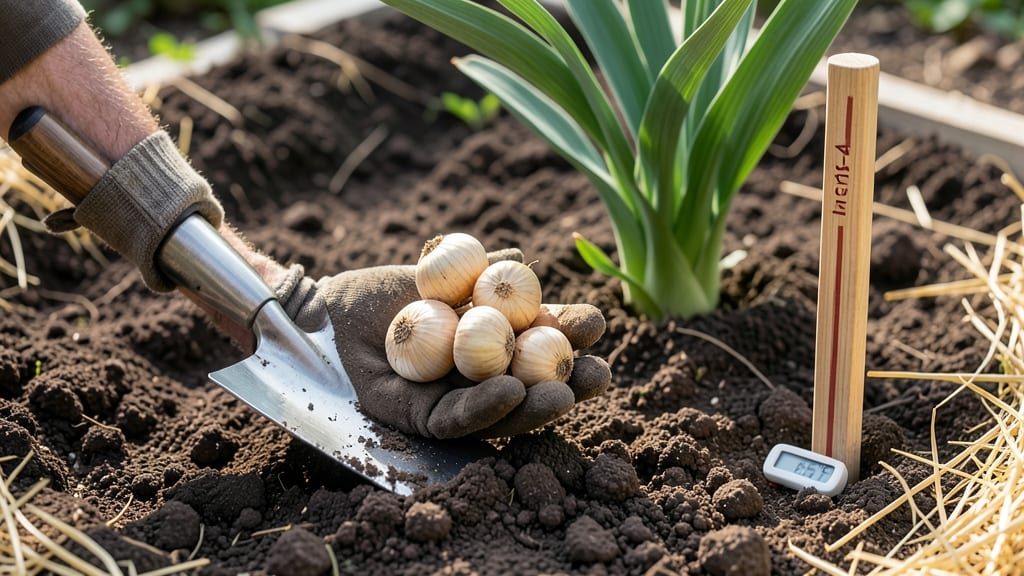
Planting gladiolus bulbs at the wrong time in Chicago can mean the difference between stunning summer blooms and wasted effort. The key window—mid-April to mid-May—aligns perfectly with the city’s USDA Zone 5b-6a climate, where soil temperatures and frost patterns demand precision.
I’ve learned the hard way that rushing too early risks rot in cold soil, while waiting too late cuts your bloom season short. Chicago’s unpredictable springs make timing even trickier, but with the right soil checks and frost-aware strategies, you can guarantee vibrant 🌸 displays from July through September.
What sets successful gladiolus planting apart isn’t just the calendar—it’s understanding your soil’s readiness. A simple thermometer check (60°F+) and knowing your last frost date (around April 15) will save you from common mistakes that leave gardeners frustrated.
In this guide, I’ll walk you through the exact steps to time your planting for Chicago’s climate, from soil prep to post-planting care. By the end, you’ll know exactly when to get those bulbs in the ground for bold, reliable blooms every season.
Best months to plant gladiolus bulbs in Chicago’s climate zones
Chicago’s USDA Zone 5b-6a climate creates a unique challenge for gladiolus growers. These dramatic summer bloomers need precise timing to thrive—plant too early, and cold soil triggers rot; too late, and you’ll miss the July-to-September showstopper season. The key lies in understanding Chicago’s microclimates and soil temperature thresholds.
Most Chicago gardeners target mid-April to mid-May for planting, but your exact timing depends on whether you’re in Lake Michigan’s coastal zone (warmer) or inland areas (cooler).
The last average frost date for Chicago hovers around April 15, but late frosts can linger until early May in inland areas like Aurora or Joliet.
Here’s your Chicago-specific planting schedule, including soil temperature benchmarks and bloom windows to maximize your garden’s impact:
| Planting Window | Soil Temp Threshold | Ideal Bloom Period | Chicago Microclimate Notes |
|---|---|---|---|
| Mid-April (coastal areas) | 50°F (10°C) | Late June to August | Warmer near Lake Michigan; use black plastic mulch for inland areas |
| Early May (inland areas) | 55°F (13°C) | July to early September | Wait for soil to warm; test with a soil thermometer |
| Late May (backup date) | 60°F (16°C) | August to frost | For late starters; choose early-blooming varieties |
For coastal Chicago neighborhoods like Rogers Park or Lincoln Park, you can push planting to early April if you use row covers to protect against late frosts. Inland areas should wait until after April 20, even if the air feels warm—soil temperature is the true indicator.
Planting in early May guarantees blooms by mid-July, perfect for Independence Day displays or wedding arrangements. The trade-off? You’ll miss the earliest blooming varieties that planted in April can produce by June.
For extended bloom seasons, stagger plantings in two-week intervals—your July 4th garden will thank you.
Chicago’s first frost typically arrives around October 15, but gladiolus bulbs won’t survive winter in the ground. Dig them up before hard frosts (usually by October 1) and store in a cool, dry place (like a garage) until next spring.
This annual cycle ensures you can enjoy fresh blooms year after year.
One critical mistake Chicago gardeners make? Planting too shallowly. Gladiolus corms need 4-6 inches of depth—any less, and they’ll heave out of the ground during freeze-thaw cycles. Use a trowel to create deep holes, especially in sandy soils common in areas like North Shore communities.
For container gardening in Chicago’s urban areas, plant gladiolus bulbs in large pots (12+ inches deep) and place them in south-facing locations. These setups warm up faster in spring, giving you a 2-3 week head start over ground plantings. Just ensure pots have drainage holes to prevent rot.
Remember: Chicago’s weather is unpredictable. Always have a backup planting date ready—if a late frost hits in early May, your gladiolus may need row covers for protection. With the right timing, these dramatic spikes will reward you with cut flowers that last 10+ days in vases. 🌸
How to adjust planting time for Chicago’s unpredictable weather
Chicago’s weather can throw off even the most experienced gardeners—one week of unseasonable warmth can fool you into planting too early, while a late frost in May might wipe out your gladiolus before they bloom.
The key is flexibility: knowing how to adjust your schedule based on real-time conditions rather than relying on averages.
Start by monitoring soil temperatures—gladiolus bulbs need soil that’s at least 60°F (15°C) to thrive. Use a soil thermometer to check depths of 4-6 inches, where the bulbs will sit.
If temperatures dip below this threshold, delay planting until conditions stabilize. This simple step can prevent rot and stunted growth from cold soil.
For heatwaves that arrive early, consider staggered planting. Divide your bulbs into two groups: plant half in early May and the rest in late May. This ensures a continuous bloom season from July through September, even if the first batch gets stressed by summer heat.
Choose heat-tolerant varieties like 'Green Star' or 'Picasso' for better resilience.
Wet springs are another Chicago challenge. Gladiolus bulbs rot easily in soggy soil, so improve drainage by amending beds with compost or perlite. Elevate planting areas with raised beds or mounds if your yard stays waterlogged.
After planting, apply a 2-inch layer of mulch (straw or shredded leaves) to regulate soil moisture and prevent erosion from heavy rains.
If all else fails, have a backup plan. Keep extra bulbs in a cool, dark place (like a garage) until conditions improve. You can even start them indoors in biodegradable pots 4-6 weeks before your target outdoor date, then transplant when the threat of frost passes.
This method extends your planting window by 3-4 weeks without sacrificing bloom quality.
Remember, Chicago’s microclimates vary—urban areas may warm up faster than suburbs. Pay attention to your specific zone and local weather patterns. With these adjustments, you’ll turn unpredictable weather into an advantage, ensuring your gladiolus bloom reliably every summer. 🌸