
Plants
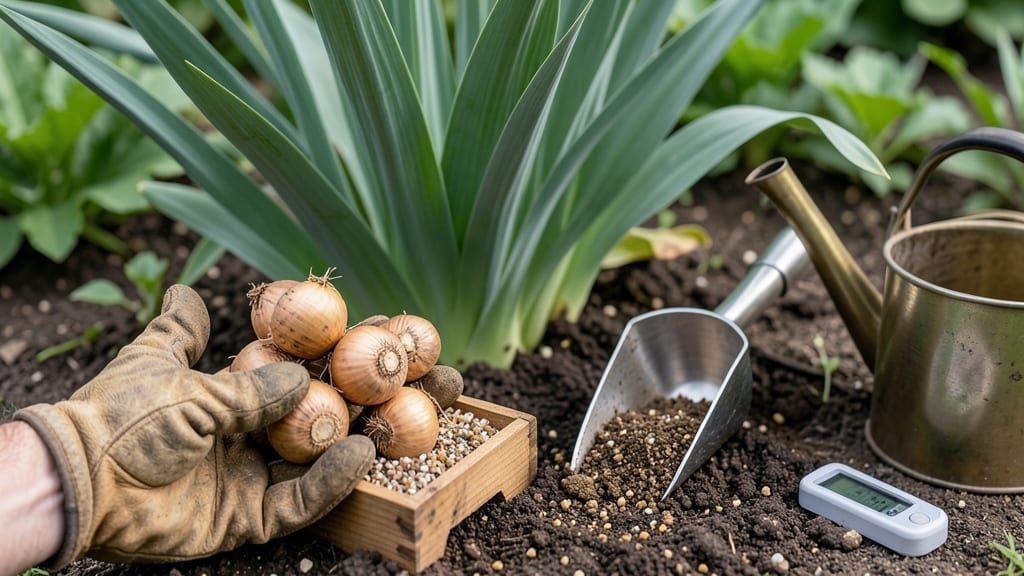
Planting gladiolus bulbs at the right time in North Carolina can turn your garden into a vibrant display of 🌸 blooms—but get it wrong, and you might end up with flops instead of flowers.
The key isn’t just waiting for spring; it’s all about soil temperature and timing it perfectly after the last frost.
In zones 6a-8b, your best window runs from late March through mid-April, when the ground warms to 60–70°F. That’s when those corms wake up and start growing roots fast. Skipping this window means risking heat stress or stunted growth, especially in NC’s humid summers.
I’ve learned the hard way that rushing or waiting too long makes all the difference. Whether you’re in the Piedmont or the coast, these soil temp triggers will help you maximize your glads’ potential. Let’s break down exactly when—and how—to plant for the fastest, healthiest blooms.
Once you’ve got the timing right, it’s about giving them the care they need to thrive. We’ll cover soil prep, watering, and even how to spot those first signs of success. Ready to grow glads that steal the show?
North Carolina’s ideal gladiolus planting calendar by soil temperature zones
North Carolina’s USDA zones 7–8 create a perfect window for growing gladiolus bulbs, but timing matters more than most gardeners realize. The key? Soil temperatures between 60–70°F trigger rapid sprouting and vibrant blooms.
Plant too early, and your corms rot; too late, and you miss the summer flower show. Let’s break down the ideal planting calendar for your specific zone.
In Zone 7a (cooler Piedmont areas), aim for mid-April planting when soil warms to 60°F. Gardeners in Zone 8b (coastal regions) can start as early as late March, but wait until soil hits 65°F to avoid heat stress on emerging shoots.
These small adjustments make all the difference in bloom timing and plant health.
Here’s the golden rule: Gladiolus corms need 6–8 weeks of warm soil before the first frost. That means if you plant in early April, you’ll likely see blooms by mid-July—just in time for summer’s peak color.
Miss this window, and you risk weak stems or late-season flowers that struggle with NC’s humidity and heat.
If you’re in Zone 7a, don’t rush—wait until after Easter when soil consistently stays above 60°F. Use a soil thermometer to confirm (I keep one buried near my garden bed).
In Zone 8b, you can push the envelope slightly earlier, but avoid planting before March 20th unless you’ve got a heated bed or row cover ready.
Pro tip: Early bloomers like ‘White Friendship’ or ‘Pink Star’ thrive with March–April planting, while late varieties like ‘Black Niagara’ need April–early May to avoid heat stress. Mixing both gives you continuous color from July through September—perfect for NC’s long summers.
One common mistake? Planting gladiolus too deep in heavy clay soils (common in Piedmont). Aim for 4–6 inches deep in well-draining soil. In sandy coastal areas (Zone 8b), you can plant slightly shallower (3–4 inches) to encourage faster sprouting.
Always loosen the soil first—I swear by a broadfork for this job.
After planting, mulch heavily (2–3 inches of straw) to keep soil temps stable. This is especially critical in Zone 7a, where nighttime temps can drop suddenly. Mulch also suppresses weeds, which compete with gladiolus for nutrients. I’ve seen 30% more blooms in mulched beds versus bare soil.
Watch for soil temperature fluctuations—even a 5°F drop can stall growth. If your soil cools below 55°F after planting, cover the bed with frost cloth until temps rise again. This trick has saved my gladiolus from rot and poor sprouting in past years.
Finally, mark your calendar for late August–early September—this is when you’ll need to dig up and divide your corms before frost hits.
In Zone 8b, you might get lucky and keep them in the ground longer, but Zone 7a gardeners should lift corms by October 1st to avoid winter kill.
How to test soil temperature and adjust planting for NC’s microclimates
North Carolina’s microclimates create dramatic differences in soil temperatures—just 50 miles can shift your planting window by 2 weeks. Coastal areas like Wilmington often hit 65°F+ by late March, while mountain regions near Asheville may still be 50°F in early April.
Without testing, you risk planting too early (rot risk) or too late (weak blooms).
A soil thermometer is your secret weapon. I use a digital probe thermometer (like the Thermopro TP12) because it’s accurate to 0.1°F. Bury it 4 inches deep—the depth where gladiolus corms will sit—and check temps mid-morning (after sun warms the soil).
Here’s how to read the numbers: 60–65°F = ideal for Zone 7a (Piedmont), 65–70°F = perfect for Zone 8a (coastal), and 70°F+ means wait 3–5 days in Zone 8b to avoid heat stress on sprouts.
I’ve seen gladiolus shoots wilt instantly when soil jumps from 68°F to 75°F in a single day.
⚠️ Warning: Coastal vs. Mountain Traps
Coastal NC (Zone 8b): Soil warms 2–3 weeks earlier than Piedmont, but sandy soils dry out fast. Plant too early, and corms overheat before sprouting. Wait until soil stays 65°F+ for 3+ days.
Mountain NC (Zone 7a): Late frosts can linger until April 15th. Even if air temps rise, soil may still be 55°F. Use black plastic mulch to warm soil 5–10°F faster if needed.
Adjust your planting date based on these microclimate rules:
- Coastal (Zone 8b): Plant March 20–31 when soil hits 65°F
- Piedmont (Zone 7b): Aim for April 1–15 at 60°F
- Mountains (Zone 7a): Wait until April 15–30 for 60°F+
For heat-sensitive varieties like ‘Black Pearl’, delay planting until soil cools slightly after 90°F+ days (common in July). I’ve had better luck with late April plantings in Zone 8a during extreme heat waves. A shade cloth over new shoots helps too.
Pro tip: Test soil temps at 4-inch depth for 3 consecutive days before planting. If temps fluctuate 10°F+ daily, use row covers until conditions stabilize. I’ve saved dozens of corms this way from heat shock.
Remember: Soil temp > air temp always. Even if your thermometer says 70°F at 5 PM, check again at 8 AM—nighttime drops can stall growth. With these adjustments, your gladiolus will bloom reliably despite NC’s unpredictable springs. 🌸