
Plants
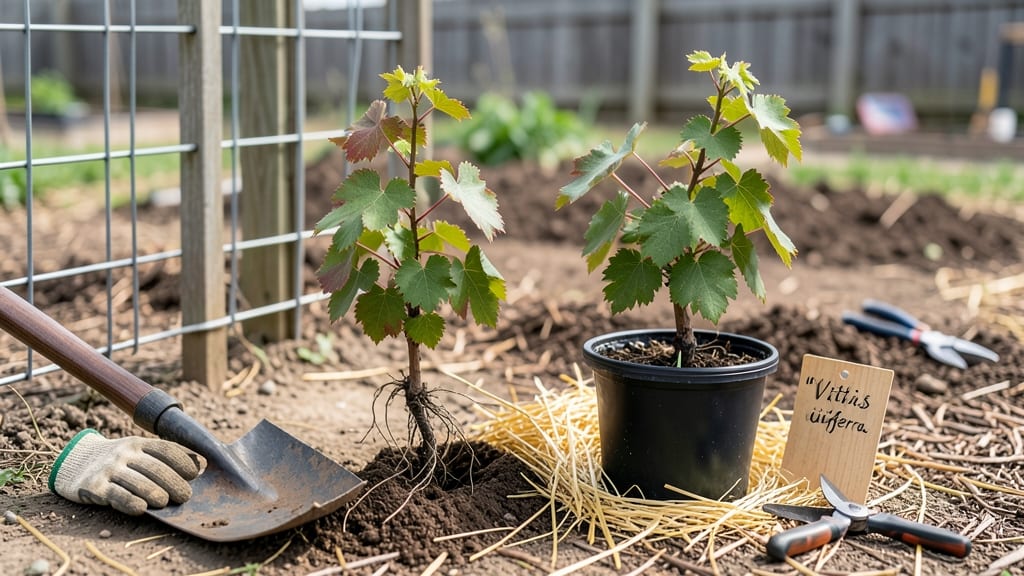
Planting grapes in Indiana at the wrong time can mean the difference between a thriving vineyard and a sad, frost-nipped failure—especially with USDA Zone 6a frost dates that shift yearly.
The key to success? Timing your 🍇 grape planting to the 10-day window after the last spring frost, when soil warms above 50°F.
Most Indiana gardeners swear by early spring planting (April–May), but local microclimates—like the colder Lake County vs. the milder Evansville—can shift that window by weeks. Whether you're growing hardy Concord varieties or more delicate Cabernet Franc, getting this right ensures your vines establish strong roots before summer heat arrives.
I’ve learned the hard way that planting too early risks frost damage, while waiting too long delays growth. Below, I’ll break down the exact frost-free timeline for Indiana’s two main grape-growing regions, plus soil prep tips to set your vines up for a bountiful harvest from August to October.
Ready to avoid the common mistakes that kill Indiana grapevines? Let’s dive into the perfect planting schedule—and how to adjust it for your specific corner of the state.
Best planting windows for Indiana grapes by variety (with frost risk charts)
Indiana’s USDA Zone 6a climate means your grape variety makes all the difference in survival and harvest success. Cold-hardy varieties like Concord and Niagara can handle early spring plantings, while tender varieties like Cabernet Franc or Chardonnay need precise timing to avoid frost damage.
Let’s break down the ideal planting windows based on your region’s last-frost averages.
Northern Indiana (e.g., Gary, South Bend) typically sees its last frost around April 25-May 5, while southern Indiana (e.g., Evansville, Louisville) warms up earlier, around April 10-20. This 10-20 day difference can mean the difference between thriving vines and frost-killed shoots.
Always check your local frost risk charts or use a soil thermometer to confirm 50°F+ soil temps before planting.
Below is a comparison of planting windows for Indiana’s most popular grape varieties, including frost risk adjustments for northern vs. southern regions. Use this as your garden calendar to time plantings perfectly.
| Variety | Cold Hardiness (USDA Zone) | Northern IN Planting Window | Southern IN Planting Window | Frost Risk Note |
|---|---|---|---|---|
| Concord | Zones 3-9 (Very Hardy) | April 25 - May 10 | April 10 - April 25 | Low risk after May 1; use row covers if planting early. |
| Niagara | Zones 4-8 (Hardy) | April 25 - May 5 | April 10 - April 20 | Avoid planting before April 20 in north; wait for soil warmth. |
| Cabernet Franc | Zones 5-9 (Moderate) | May 10 - May 20 | April 25 - May 5 | High frost risk before May 10; use black plastic mulch for warmth. |
| Chardonnay | Zones 6-9 (Tender) | May 15 - May 25 | May 1 - May 10 | Wait until after last frost confirmed; consider greenhouse starts. |
| Traminette | Zones 4-8 (Hardy) | April 25 - May 5 | April 15 - April 25 | Early planting works if soil is thawed and mulched. |
For northern Indiana gardeners, I recommend waiting until after May 1 for tender varieties like Cabernet Franc or Chardonnay. These grapes are less forgiving and can suffer bud dieback if exposed to late frosts.
Use a frost clock or local CoCoRaHS reports to track real-time frost risks in your area.
In southern Indiana, where frosts are rarer after April 20, you can push plantings slightly earlier—especially for cold-hardy varieties like Concord.
However, even here, a light frost warning can devastate young vines, so always have row covers or frost cloth on hand for the first 2-3 weeks after planting.
Pro tip: If you’re in Zone 6a and want to plant early, use black plastic mulch to warm the soil by 5-10°F. This trick can shave 1-2 weeks off your planting window, giving tender varieties a head start.
Just remove the mulch once vines are established to prevent overheating.
Remember, soil temperature matters more than air temperature. Use a soil thermometer to confirm 50°F+ at 4-inch depth before planting. Cold soil can stunt root growth, even if the air feels warm. For container-grown grapes, wait until nighttime temps stay above 55°F consistently.
Finally, consider fall planting for bare-root vines in October-November. This gives roots time to establish before winter, but only works for hardy varieties like Concord or Niagara. Tender grapes planted in fall rarely survive Indiana winters without heavy mulching or winter protection.
With these planting windows and frost risk strategies, you’ll give your Indiana grapevines the best possible start.
How to adjust planting dates for Indiana’s microclimates (northern vs. southern regions)
Indiana’s diverse microclimates create challenges for grape growers—what works in Evansville’s Zone 6b might fail in Lake County’s Zone 5b. Northern Indiana’s cooler springs delay planting by 2-3 weeks compared to southern regions, while southern areas face earlier heat stress.
Understanding these differences lets you time plantings perfectly for your location.
For northern Indiana (Lake County, Elkhart), wait until mid-May to plant grapes, after the average last frost date of April 25. Use black plastic mulch to warm soil faster—this can shave off 10-14 days of chilly delays.
In southern Indiana (Evansville, Terre Haute), plant by late April when soil hits 50°F (10°C), but watch for late-spring frosts that can still occur.
- Northern Indiana (Zone 5b): Plant May 10-20 after soil warms to 55°F (13°C). Use row covers for early protection.
- Central Indiana (Zone 6a): Plant April 25-May 10 when soil hits 50°F (10°C). Monitor frost forecasts for late surprises.
- Southern Indiana (Zone 6b-7a): Plant April 15-30 but avoid June heat. Use shade cloth if planting late.
- Soil Temp Check: Use a soil thermometer—grapes need 50°F+ (10°C+) to root properly. Cold soil causes rot and poor growth.
- Mulching Tip: Apply 4-6 inches of straw mulch after planting to retain heat in northern zones and prevent soil drying in southern areas.
Extend your growing season in northern Indiana by choosing early-maturing varieties like Niagara or Valiant, which ripen in 90-100 days. Southern Indiana gardeners can experiment with later varieties like Chardonnay or Cabernet Sauvignon, but plant them before June 1 to avoid heat stress during flowering.
Always test soil temperature at 4 inches deep—this is where roots establish. If your thermometer reads below 50°F (10°C), delay planting or use heat mats for bare-root vines. In southern Indiana, afternoon heat can dry soil quickly, so water deeply 2-3 times per week until vines are established.
For fall-planted grapes, southern Indiana offers a 2-week window in October when soil cools. Northern regions should avoid fall planting due to early frosts, but if you must, use mulch blankets for insulation. Remember: dormant vines planted in fall need consistent moisture until roots establish by spring.
Adjust your trellis setup based on microclimate too—northern vines need stronger support for snow load, while southern vines benefit from partial shade during peak summer heat. With these region-specific tweaks, your Indiana grapevines will thrive regardless of where you live. 🍇