
Plants
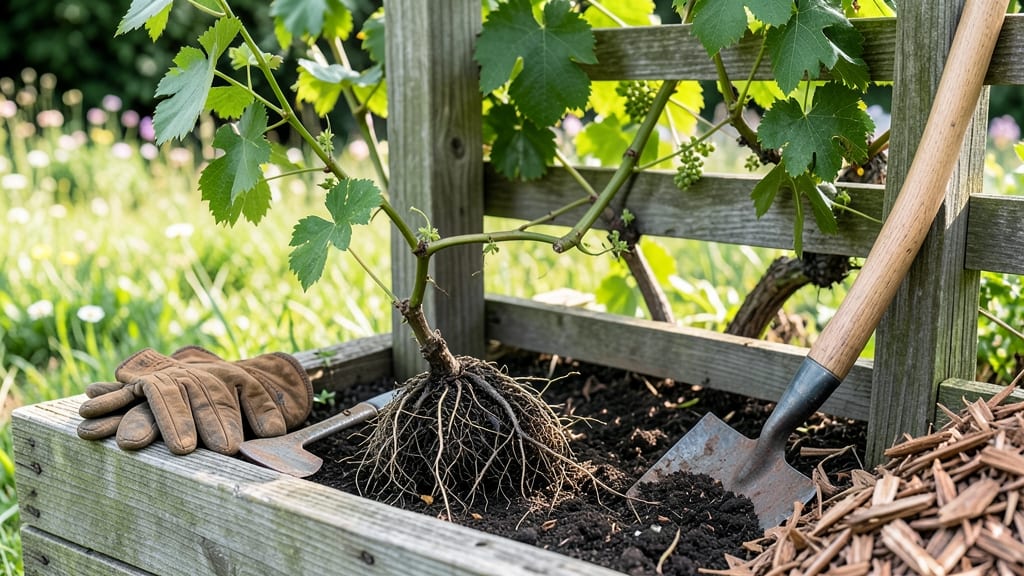
Planting grapes in Kentucky at the wrong time can turn your dream vineyard into a frustrating gamble—especially when late frosts or scorching summer heat threaten your 🍇 vines before they even take root.
But here’s the good news: Kentucky’s 6a-7b climate actually gives you two prime windows to plant grapes—early spring or fall—when soil temperatures hit that sweet spot of 50°F for 10+ days. Miss these windows, and you risk stunted growth, poor fruit set, or even vine death.
I’ve seen firsthand how timing makes the difference between a thriving grapevine and one that struggles to survive. Whether you’re a first-time gardener or a seasoned grower, knowing exactly when to plant—and how to prep your soil—can mean the difference between a handful of grapes and a bountiful harvest.
Let’s break down the science behind Kentucky’s planting windows, the best grape varieties for your zone, and how to troubleshoot common timing mistakes so your vines get off to the strongest start possible.
Kentucky’s ideal planting windows for grapes: soil temperature rules
Kentucky’s grapes thrive when planted during two key windows: early spring (March-April) or fall (September-October). The golden rule? Wait until soil temperatures stay above 50°F for 10+ days—this triggers root growth before summer’s heat arrives.
In the Bluegrass region, this typically means mid-March, while the Pennyroyal Plateau may wait until late March due to cooler microclimates.
Soil warmth is more critical than air temperature. Use a soil thermometer to check depth (4-6 inches). If your morning soil reads 55°F+ consistently, it’s time to plant. Cold soil can stunt roots, leaving vines vulnerable to spring frosts or summer stress.
I’ve learned this the hard way—planting too early in Louisville once led to yellowing leaves by June!
Kentucky’s frost-free dates vary by 1-2 weeks across regions. The Bluegrass region (Lexington, Louisville) averages April 15, while the Pennyroyal Plateau (Bowling Green) often waits until April 25.
For fall planting, aim for 6-8 weeks before first frost (mid-October in most areas) to allow roots to establish before winter dormancy.
| Region | Spring Planting Window | Soil Temp Trigger | Fall Planting Window | Frost-Free Date |
|---|---|---|---|---|
| Bluegrass (Lexington, Louisville) | Mid-March to early April | 50°F+ for 10+ days | Late September to early October | April 15 (±5 days) |
| Pennyroyal Plateau (Bowling Green) | Late March to mid-April | 52°F+ for 10+ days | Early to mid-October | April 25 (±5 days) |
| Western KY (Paducah) | Early April | 50°F+ for 7+ days | Mid-October | April 20 (±5 days) |
For early varieties like Norton grapes, plant as soon as soil warms to 50°F—they mature quickly (90-120 days) and can handle Kentucky’s hot summers. Late varieties like Traminette (150+ days to harvest) need a longer growing season, so delay planting until late April to avoid fruit set failures from early fall frosts.
Adjust planting dates by 1-2 weeks if your yard experiences microclimate variations. South-facing slopes warm faster than north-facing areas. I once planted Cynthiana grapes on a north slope in early April—only to see roots struggle until May. Now, I wait until soil hits 55°F consistently in those spots.
Test soil warmth daily for 3-5 days before planting. Bury your thermometer at 4-6 inches deep (where roots will grow) and check in the morning.
If temps dip below 50°F at night, delay planting. Black plastic mulch can warm soil by 5-10°F—a lifesaver for late-spring plantings in cooler areas like Eastern Kentucky.
Fall planting offers a second chance for gardeners who miss spring. Choose dormant bare-root vines and plant when soil cools to 60-65°F (September-October). This gives roots time to establish before winter. I planted Chambourcin grapes in early October one year—they survived winter perfectly and bore fruit the following summer.
Monitor local frost forecasts using the National Weather Service or Kentucky Mesonet. A late frost after planting can kill young vines. If frost threatens, cover plants with frost cloth or use a row cover.
In my Louisville garden, I’ve used this trick to save newly planted vines in April’s unpredictable frosts.
Remember: Soil temperature > air temperature. Even if air temps hit 70°F, cold soil can still stunt growth. Use a soil thermometer—it’s the only way to know for sure. I’ve seen 50°F air with 40°F soil in Kentucky’s valleys, and that’s a recipe for failure.
Start with 1-2 vines to test your timing. If they thrive, expand next year. If not, adjust your planting window by 1-2 weeks earlier or later. With grapes, patience and soil science win over guesswork every time. 🍇
Best grapes for Kentucky’s climate: varieties that thrive with proper timing
Kentucky’s 6a-7b climate creates the perfect balance for growing hardy grape varieties that can handle both early spring frosts and summer heat waves.
The key is selecting varieties that match your planting window—whether you choose early spring (March-April) or fall (September-October)—while ensuring they mature before Kentucky’s first frost in mid-October. Let’s explore the top performers and their ideal timing for your vineyard.
For spring planting, prioritize cold-hardy varieties like Norton (Cynthiana) and Traminette, which can tolerate Kentucky’s late spring frosts while still producing high-quality fruit. These varieties thrive when planted in early April, once soil temperatures reach a steady 50°F for 10+ days.
If you prefer fall planting, opt for dormant-season varieties like Chambourcin or Concord, which establish roots before winter and burst into growth in spring.
| Variety | Best Planting Window | Cold Hardiness | Mature Size | Spacing |
|---|---|---|---|---|
| Norton (Cynthiana) | Early April (spring) or September (fall) | Zone 5-9 | 15-25 ft | 8-10 ft apart |
| Traminette | Late March (spring) or October (fall) | Zone 5-8 | 12-18 ft | 6-8 ft apart |
| Chambourcin | Early April (spring) or September (fall) | Zone 5-9 | 10-15 ft | 6-8 ft apart |
| Concord | Late March (spring) or October (fall) | Zone 4-8 | 15-20 ft | 8-10 ft apart |
When selecting your grape variety, consider maturity timing. Early-maturing varieties like Traminette (120-130 days) are perfect for Kentucky’s shorter growing season in northern regions, while late-maturing types like Concord (160-180 days) thrive in the warmer Bluegrass region.
Always match your planting window to the variety’s days to maturity to ensure a bountiful harvest before frost.
Spacing requirements are critical for airflow and disease prevention. Norton and Concord need 8-10 feet apart to prevent fungal diseases like powdery mildew, while Traminette and Chambourcin can handle 6-8 feet. Install a trellis system early to support vines as they grow, especially in Kentucky’s humid summers, which can stress unstructured vines.
For fall planting, focus on dormant-season varieties that establish roots before winter. Chambourcin and Concord are excellent choices, as they enter dormancy naturally by mid-October. Plant in September when soil temperatures drop below 60°F, giving roots time to harden before Kentucky’s first frost.
Mulch heavily with straw or wood chips to insulate roots during winter.
Pro tip: Use a soil thermometer to monitor warmth before planting. Aim for 50°F+ for 10+ days in spring or below 60°F for 2+ weeks in fall. This ensures roots establish before extreme heat or cold sets in—critical for Kentucky’s unpredictable microclimates. 🍇