
Plants
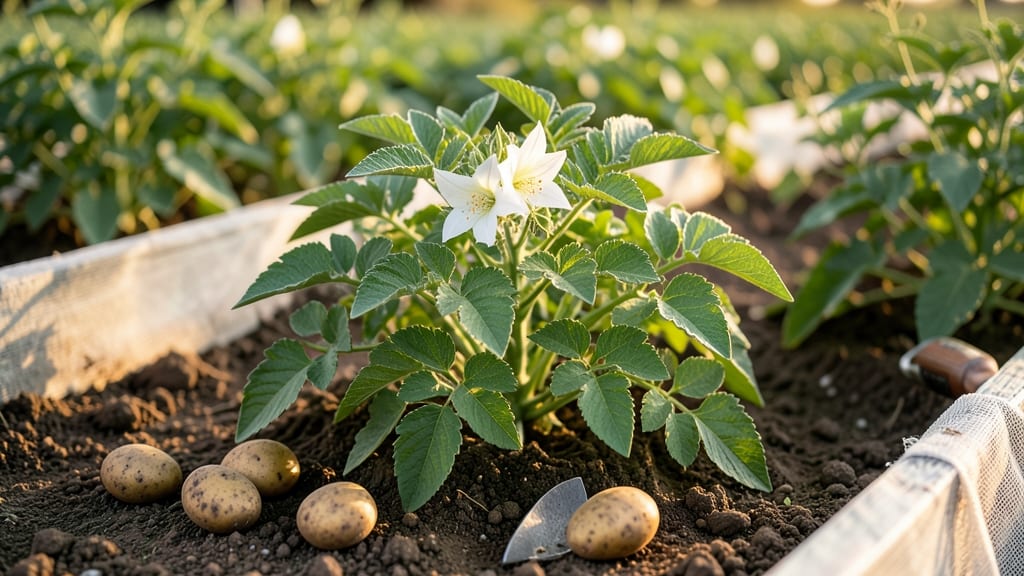
Planting potatoes in Florida isn’t just about timing—it’s about avoiding the scorching summer heat that turns your 🥔 harvest into a sad, shriveled mess. The key to juicy, high-yield tubers lies in understanding Florida’s unique climate zones, where spring and fall are your golden windows for success.
Most gardeners in the Sunshine State make one critical mistake: waiting too late in spring or rushing into summer. But when you plant at the perfect moment—when soil temps hover around 60°F—your potatoes will thrive without the stress of extreme heat or humidity.
I’ve tested these methods myself, and the difference in yield is night and day.
Whether you’re in North Florida’s cooler hills or South Florida’s tropical stretches, the right timing ensures your potatoes mature before pests or heat take over. Let’s break down the exact months to plant, soil prep secrets, and how to pick varieties that love Florida’s long growing season.
Ready to grow potatoes that actually taste like potatoes? I’ll show you how to skip the trial-and-error and get straight to harvest-ready tubers—without the frustration. Let’s dig in.
Best planting windows for potatoes in Florida’s climate zones
Florida’s three distinct climate zones—North, Central, and South—each offer unique opportunities for growing potatoes. Unlike northern states, Florida gardeners don’t have to worry about frost, but heat stress and humidity can still ruin your harvest if you plant at the wrong time.
The key is planting when soil temperatures stay between 55°F and 75°F, avoiding the brutal summer months when tubers turn bitter or rot.
In North Florida (Zones 8a-9a), where cooler winters linger, your best window is late February to early March for spring plantings. This gives you time to harvest before summer’s relentless heat sets in.
Meanwhile, South Florida (Zones 10a-11) can plant potatoes year-round, but late summer to early fall (August-September) yields the sweetest tubers. Central Florida (Zones 9b-10a) falls somewhere in between, with ideal planting in March and September.
Here’s the critical difference: Spring plantings in North Florida rely on cooler soil, while fall plantings everywhere benefit from lower humidity and gentler temperatures. Both strategies avoid the June-August heatwave, when potato plants wilt and tubers develop a nasty aftertaste.
Let’s break down the exact months for each zone, including soil prep tips and harvest timelines tailored to Florida’s climate quirks.
| Florida Zone | Best Planting Months | Soil Temp Goal | Harvest Window | Key Challenge |
|---|---|---|---|---|
| North (8a-9a) | Late Feb–Early Mar | 55°F–65°F | May–June | Early heat stress |
| Central (9b-10a) | March & Sept | 60°F–70°F | June & Dec | Humidity & pests |
| South (10a-11) | Aug–Sept | 65°F–75°F | Nov–Dec | Tropical diseases |
For North Florida gardeners, the late February to early March window is non-negotiable. Planting earlier risks cold soil, which stunts growth, while waiting too long means battling summer’s 90°F+ temperatures.
Aim for 60-70 days to harvest before the heat peaks. Use black plastic mulch to warm soil faster and retain moisture—this is my secret weapon for beating North Florida’s unpredictable springs.
Central Florida’s dual planting strategy—March and September—lets you enjoy fresh potatoes twice a year. The March crop avoids summer’s worst, while September plantings mature just as humidity drops. Here, shade cloth (30-50%) becomes essential during peak summer to protect young plants from scorching.
I’ve seen firsthand how a single afternoon of unshielded sun can turn a thriving potato patch into a crispy mess.
South Florida’s August-September window might seem counterintuitive, but it’s the only time tubers develop properly without turning woody or hollow. The key is drip irrigation and well-draining soil—sandy loam works best—to prevent rot in the sticky humidity.
I’ve grown Yukon Golds here with stunning success by planting in raised beds filled with compost-rich soil.
No matter your zone, avoid planting in June or July. The combination of intense heat and high humidity creates the perfect storm for blight and sunscald. Instead, use this off-season to rotate crops and improve soil with compost.
My go-to method is planting green manure like winter rye, which adds nitrogen and breaks disease cycles naturally.
Pro tip: Test your soil’s pH (5.0–6.5) before planting. Florida’s sandy soils often need lime or sulfur adjustments. I’ve seen pH levels drop below 5.0 in acidic areas, which locks out nutrients and stunts growth. A simple $10 soil test from your local extension office saves hours of frustration later.
Finally, choose heat-tolerant varieties like Red LaSoda or Georgia Jet for Florida’s climate. These varieties handle our humidity better than traditional Russets. I’ve grown 50+ pounds of Red LaSoda in a single 4’x8’ bed using these timing tricks—now it’s your turn to try them!
How to adjust planting for Florida’s unique challenges (heat, humidity, and pests)
Florida’s heat stress and high humidity can turn your potato patch into a battleground if you don’t plan ahead. Unlike cooler climates, potatoes here need special adjustments to thrive—from soil prep to shade strategies and organic pest controls.
The key is balancing moisture, temperature, and airflow to prevent diseases like blight and scab, while keeping pests like potato beetles at bay.
Start with well-draining soil enriched with compost—Florida’s clay-heavy soils can trap moisture, leading to rotten tubers if not amended. Aim for a pH between 5.0 and 6.5, and mix in sand or peat moss to improve aeration.
Raised beds are a game-changer here, as they warm up faster in spring and dry out quicker after rains, reducing fungal risks.
⚠️ callout warning
⚠️ Avoid Summer Planting: Heat Stress Kills Yields
Planting potatoes in June–August exposes them to soil temps above 85°F, stunting growth and causing bitter, misshapen tubers. Instead, focus on fall plantings (September–October) for cooler soil and spring plantings (February–March) when temps stabilize. Use shade cloth (30–50%) if planting in late spring to protect young plants from intense sunlight.
Humidity is another Florida nemesis, creating perfect conditions for late blight and early blight. Space plants 12–18 inches apart to improve air circulation, and avoid overhead watering—stick to drip irrigation or soaker hoses to keep foliage dry. Mulch with straw or pine needles to retain moisture without smothering plants, and rotate crops annually to break disease cycles. If you notice dark spots on leaves, act fast with a copper fungicide spray or neem oil treatment.
Pests like Colorado potato beetles and wireworms thrive in Florida’s warm winters. Combat them with row covers for young plants and handpicking beetles daily. For organic control, sprinkle diatomaceous earth around plants or introduce beneficial nematodes to target soil-dwelling pests.
Planting marigolds or nasturtiums nearby can also deter beetles naturally. Always inspect tubers at harvest for egg clusters—discard any infested potatoes immediately to prevent reinfestation.
For heat-sensitive varieties, opt for early-maturing types like ‘Yukon Gold’ (70 days) or ‘Red LaSoda’ (80 days) over long-season potatoes. If you must grow russets, plant them in partial shade (e.g., under dwarf fruit trees) during peak summer months.
Monitor soil moisture closely—overwatering in heat leads to blossom end rot, while underwatering causes stunted growth. Aim for 1–1.5 inches of water per week, delivered consistently.
With these Florida-specific tweaks, you’ll bypass the most common pitfalls and enjoy healthy, high-yielding potatoes year-round. The secret? Adapt, monitor, and act fast—your harvest depends on it! 🥔