
Plants
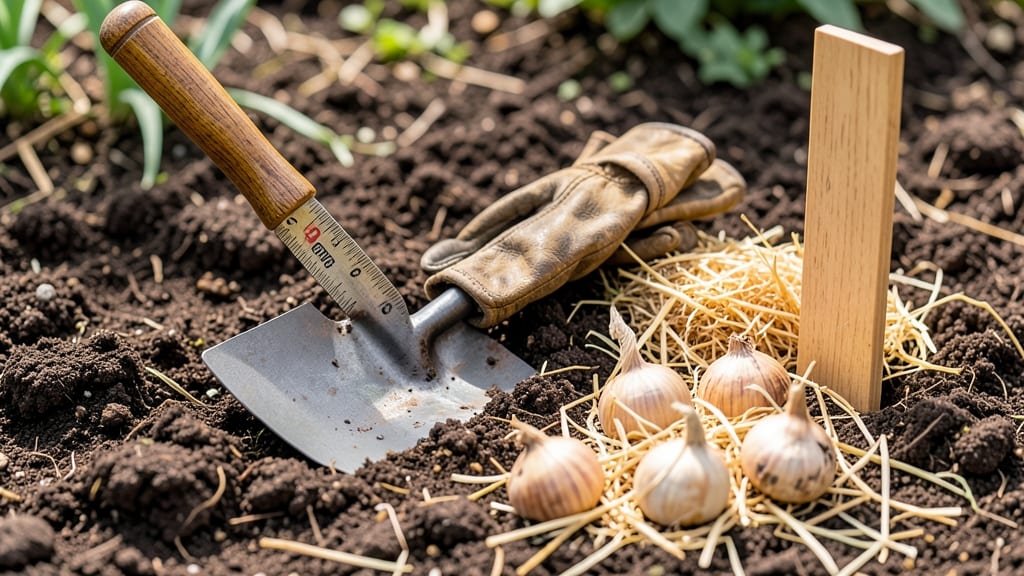
Planting tulip bulbs 🌷 at the wrong time in Ohio can mean the difference between a stunning spring display and a total flop. The key window—October to November—aligns perfectly with Ohio’s Zone 6a climate, but timing is everything to avoid frost damage or missed blooms.
Most gardeners assume "fall planting" is a one-size-fits-all rule, but Ohio’s first frost around October 15th demands precision. Plant too early, and bulbs may rot in soggy soil; too late, and they won’t root before winter sets in.
I’ll break down the exact 4-6 week window before ground freezes that guarantees strong roots and vibrant blooms next spring.
What makes Ohio’s schedule unique? Unlike warmer regions, our cool nights and variable soil temperatures require bulbs to be in the ground by early November. I’ll share how to check soil readiness and adjust for your specific microclimate—whether you’re in colder northern Ohio or milder southern areas.
Ready to skip the guesswork? You’ll learn how to time your planting for zero frost surprises, choose the right bulb varieties for Ohio’s climate, and even extend your tulip season with simple tricks. Let’s get those bulbs in the ground the right way.
Ohio’s ideal tulip bulb planting window: month-by-month breakdown
Timing is everything when planting tulip bulbs in Ohio. Unlike many flowers, tulips need a cold winter dormancy to bloom spectacularly in spring. In Ohio’s USDA Zones 5-6, the ideal window spans October through November, but exact timing depends on your microclimate and bulb variety.
Plant too early, and bulbs may rot in soggy soil; too late, and they won’t establish roots before winter’s chill.
Ohio’s average first frost arrives around mid-October, but this varies by region. Northern Ohio (Zone 5) typically freezes 2-3 weeks earlier than southern Ohio (Zone 6). The key is planting 4-6 weeks before the ground freezes, ensuring bulbs establish roots but don’t sprout prematurely.
For most of Ohio, this means late October to early November is prime time.
Soil temperature is your best guide. Tulip bulbs thrive when soil cools to 50-60°F. Use a soil thermometer to check—if temps drop below 40°F, bulbs risk frost damage. In urban areas like Columbus, soil stays warmer longer due to heat island effect, so plant 1-2 weeks later than rural zones.
Here’s your Ohio-specific planting timeline, adjusted for early vs. late tulip varieties:
| Month | Planting Window | Soil Temp Threshold | Bulb Variety Notes | Microclimate Adjustments |
|---|---|---|---|---|
| September | Early September (Northern Ohio) | 60-70°F | Early bloomers (e.g., Darwin Hybrids) | Urban areas: Wait until late Sept |
| October | Ideal window: Late Oct | 50-60°F | Most varieties (e.g., Parrot Tulips) | Southern Ohio: Plant by Oct 15 |
| November | Early Nov (Zone 5) | 40-50°F | Late bloomers (e.g., Fringed Tulips) | Northern Ohio: Plant by Nov 1 |
| December | Only if soil hasn’t frozen | Above freezing | Not recommended | Risk of frost heave |
For early blooming tulips (like ‘Apeldoorn’ or ‘Red Emperor’), plant in late September to early October.
These varieties need a shorter dormancy period. Late bloomers (e.g., ‘Black Parrot’ or ‘Queen of Night’) can wait until mid-October—their longer dormancy makes them more forgiving for Ohio’s fluctuating fall weather.
Ohio’s microclimates can shift planting by 2-3 weeks. In sheltered valleys (e.g., Hocking Hills), soil stays warmer, so delay planting until November. Conversely, exposed hillsides (e.g., near Cleveland) freeze earlier—plant by October 15 to avoid frost damage. Always check your local USDA Plant Hardiness Zone for precise adjustments.
Pro tip: Use mulch after planting to insulate bulbs. A 3-inch layer of straw or shredded leaves protects against frost heave and retains moisture. Remove mulch in early spring once shoots appear to prevent rot. In Ohio’s wet springs, this step is non-negotiable for bulb longevity.
If you miss the fall window, don’t despair! Tulips can be planted in early spring (March-April), but they’ll bloom 6-8 weeks later and may not reach full size.
For container gardening in Ohio, plant bulbs in late fall and move pots to a garage or cold frame during winter to mimic dormancy.
Remember: Ohio’s tulip success hinges on timing + soil prep. Amend heavy clay soil with compost or sand to improve drainage—a common pitfall in Ohio’s Zone 5-6 gardens.
With this month-by-month guide, your tulips will emerge vibrant and on schedule, turning your Ohio landscape into a spring masterpiece. 🌷
Critical factors that determine Ohio tulip planting success (beyond the calendar)
Ohio’s Zone 5a-6b climate demands more than just following a generic fall planting calendar. While most guides say "plant in October," Ohio’s soil temperature swings and unpredictable frost can turn that advice into a gamble.
I’ve learned the hard way that timing isn’t just about the month—it’s about soil conditions and bulb hardiness that override calendar dates.
For example, planting too early in September risks rot from warm, moist soil, while waiting until November might leave bulbs vulnerable to early frosts. The key is understanding soil temperature thresholds (aim for 40-50°F) and frost depth predictions, which vary by Ohio county.
Let’s break down the science behind successful tulip planting in our state.
Ohio-Specific Planting Risks
Planting too deep (below 8 inches) smothers bulbs, while soggy soil in low-lying areas causes rot. Ohio’s clay-heavy soils in southern regions (like Zone 6b) drain slower than sandy soils in northeast Ohio. Always amend with compost or grit to prevent waterlogging.
Your bulb variety also dictates the ideal window. Darwin Hybrid tulips, for instance, thrive in Ohio’s climate and can handle colder winters, while fragile Parrot tulips need earlier planting (by mid-October) to establish roots before frost.
I’ve found that Dutch Master tulips are the most forgiving for beginners, blooming reliably even with slight timing miscalculations.
Ohio’s hardiness zones further complicate things. In Zone 5a (northeast Ohio), where winters are harsher, plant by October 15 to ensure bulbs root before consistent freezing. In Zone 6b (southern Ohio), you have until November 1, but watch for early frost warnings—they’re common in late October.
Use your local Cooperative Extension office’s frost data as your guide.
Don’t overlook soil preparation. Tulips need well-draining soil, but Ohio’s heavy clay can trap moisture. Before planting, mix in 1-2 inches of compost and consider raised beds in waterlogged areas.
I’ve had bulbs last 3-4 years in amended soil versus just 1-2 years in unamended clay. The difference is night and day.
Finally, depth matters. Plant bulbs 6-8 inches deep—any shallower, and they’ll heave out of the ground during freeze-thaw cycles. Use a trowel or bulb planter to ensure consistency, especially if you’re planting in sandy soil (which drains faster).
Mark your planting spots with stakes or flags to avoid disturbing bulbs later.
By focusing on soil temperature, frost depth, and bulb hardiness—not just the calendar—you’ll give your Ohio tulips the best shot at vibrant, long-lasting blooms. Trust the data, not the generic advice, and your garden will thank you. 🌷