
Planting
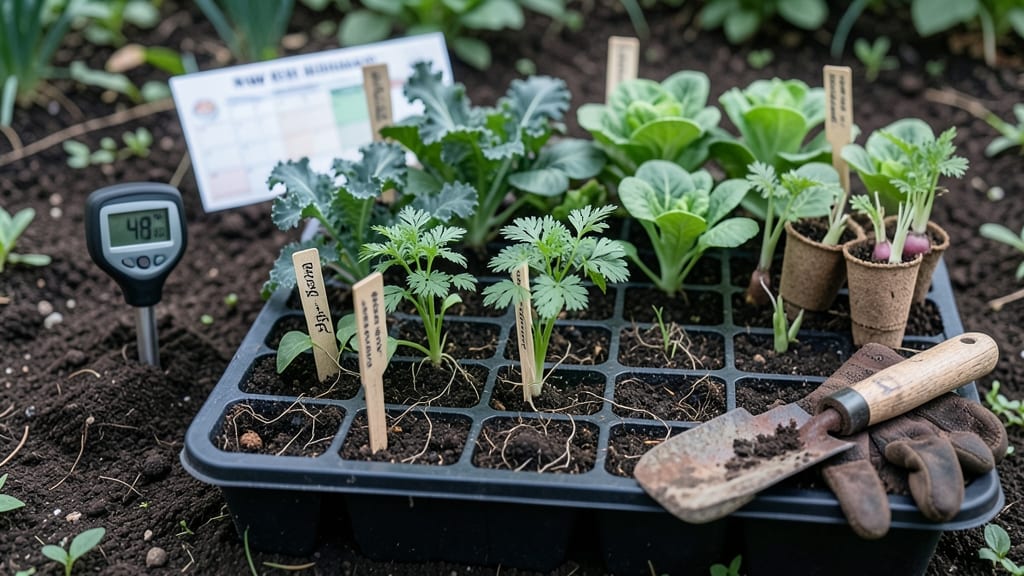
Timing when to plant a vegetable garden in New Brunswick correctly can mean the difference between a thriving harvest and wasted seeds—especially when coastal areas like Saint John have different frost dates than inland Fredericton.
I’ve spent years watching my own plants struggle when planted too early or late, and the key isn’t just following a generic calendar—it’s understanding your USDA Zone 5b microclimate. Whether you’re growing heat-loving tomatoes or cold-hardy spinach, getting the timing right means avoiding frost damage and maximizing your growing season.
In this guide, I’ll break down the exact planting windows you need, from April 15 for early crops to August 15 for fall harvests, plus how to adjust for your specific corner of the province. No more guesswork—just a clear, zone-specific roadmap to a thriving garden.
Ready to stop second-guessing and start planting with confidence? Let’s dive into the frost-date cheat sheet that’s finally going to work for your New Brunswick garden.
New Brunswick frost dates by Zone: your planting timeline
New Brunswick’s USDA Zones 4a-6b create a short but productive growing season. Knowing your last spring frost and first fall frost dates is the key to avoiding frost damage and maximizing harvests.
Coastal areas like Saint John (Zone 6b) enjoy earlier springs and later falls compared to inland regions (Zone 4a), where frosts linger longer.
For example, in Zone 5b (covering Fredericton and Moncton), the average last frost arrives around May 15, while the first fall frost typically hits September 25.
These dates shift 2-3 weeks earlier in Zone 4a and 2 weeks later in Zone 6b. Understanding these variations helps you choose the right planting windows for your garden.
Cool-season crops like spinach, kale, and peas thrive when planted 4-6 weeks before the last frost. Warm-season plants such as tomatoes, peppers, and cucumbers need to wait until after the last frost when soil temperatures reach 60°F (15°C).
Below is a zone-by-zone breakdown of frost dates and ideal planting times to help you plan your garden calendar.
Use these dates as a starting point, but always check the 7-day forecast before planting warm-season crops. For example, a late frost in Zone 5b could delay your tomato planting until June 1. Similarly, a mild fall might extend your kale harvest into November in Zone 6b.
For warm-season crops, wait until soil temperatures consistently reach 60°F (15°C). Test this with a soil thermometer or plant fast-maturing varieties like bush beans or radishes early to gauge warmth.
In Zone 4a, this might not happen until late May or early June, while Zone 6b could be ready by mid-April.
Cool-season crops like lettuce, spinach, and carrots can handle light frosts and should be sown 4-6 weeks before your last frost date. In Zone 5b, this means starting seeds indoors by March 15 or direct-sowing outdoors by April 1.
For hardy greens, you can even plant a fall crop in August for harvests before the first frost.
New Brunswick’s microclimates add another layer of complexity. A south-facing slope warms up faster than a shady valley, while urban areas may experience heat islands that extend the growing season.
Use row covers or cold frames to push your planting windows earlier or later in the season, especially in Zones 4a and 5a.
For real-time updates, bookmark the Agriculture and Agri-Food Canada frost forecast or use tools like the Old Farmer’s Almanac. These resources provide historical data and 30-day outlooks to help you adjust your planting schedule.
Pro tip: Keep a gardening journal to track your local frost dates over the years—your notes will become invaluable for future seasons.
By aligning your planting with these zone-specific frost dates, you’ll avoid wasted seeds
Best vegetables to plant now in New Brunswick by month
Timing your vegetable garden in New Brunswick means balancing short growing seasons with heat-sensitive crops. The key is planting cool-season veggies early and warm-season varieties after last frost.
For Zone 5b-6b, start with hardy greens in March and transition to tomatoes by May. Succession planting keeps your harvest flowing all summer!
Let’s break down the best vegetables to plant each month, including succession planting tips for lettuce, beans, and zucchini. I’ll also highlight heat-tolerant varieties perfect for Zone 6b summers, like Black Krim tomatoes and Bush Blue Lake beans.
These picks maximize your harvest before fall frosts hit in October.
🌱 Month-by-Month Planting Guide for New Brunswick
- March: Peas, spinach, kale, onions (start indoors)
- April: Lettuce, radishes, carrots, potatoes (after soil warms)
- May: Tomatoes, peppers, beans, cucumbers (after last frost)
- June: Succession plant lettuce, zucchini, corn (every 2 weeks)
- July: Green beans, beets, bush squash (heat-tolerant picks)
- August: Kale, broccoli, turnips (for fall harvest)
- September: Spinach, radishes, garlic (plant for next year)
For succession planting, focus on lettuce—sow new seeds every 2 weeks from April to July to avoid bolting. Beans and zucchini also thrive with staggered plantings. In Zone 6b, opt for heat-tolerant varieties like ‘Heatmaster’ tomatoes or ‘Straightneck’ squash to handle July’s warmth.
Pro tip: Use row covers to extend early spring plantings. For example, spinach sown in March under a cover can be harvested by May before bolting. Similarly, peppers planted in May benefit from black plastic mulch to warm the soil faster.
Don’t forget fall crops! Plant broccoli and kale in August for a September-October harvest. These cool-season favorites actually taste sweeter after a light frost. Just be sure to mulch heavily to protect roots as temperatures drop.
By following this schedule, you’ll enjoy fresh veggies from May through October, even in New Brunswick’s short growing season. Start with hardy greens, transition to warm-season stars, and end with fall favorites—your garden will stay productive all year!