
Trees
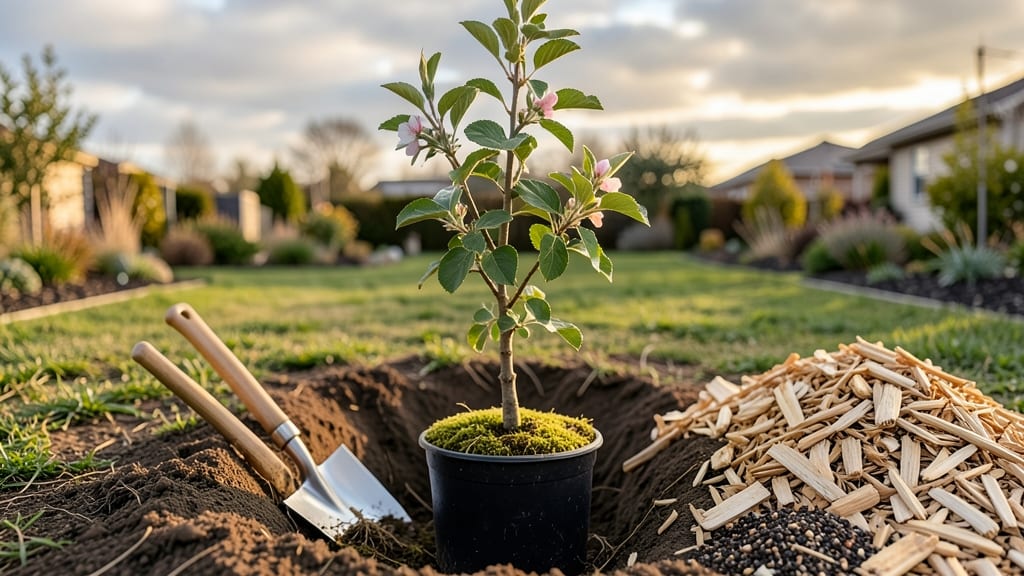
Planting an apple tree 🍎 in Alabama at the wrong time can mean the difference between a thriving orchard and years of disappointment—especially with the state's unique chill-hour needs.
If you've ever wondered why some trees struggle to bloom or produce fruit, the answer often lies in when (and how) you planted them.
Alabama's climate zones 7a-8b create a tricky balance—too early, and frost can damage young roots; too late, and summer heat stresses the tree before it establishes. The ideal window is late winter to early spring (February-March) or fall (October-November), but timing varies by variety and microclimate.
I'll walk you through exactly when to plant based on your specific zone, which apple varieties thrive in Alabama's conditions, and how to prepare your soil for maximum success.
With the right approach, you can ensure your apple tree gets off to a strong start—setting the stage for years of homegrown harvests.
Whether you're a first-time gardener or a seasoned grower, these insights will help you avoid common mistakes and give your apple tree the best possible chance to flourish in Alabama's variable climate. Let's get your orchard off to the right start!
Best planting months in Alabama based on chill-hours and climate zones
Alabama’s diverse climate—from North Alabama’s 500–700 chill-hours to South Alabama’s 700–900 chill-hours—means your apple tree’s success hinges on planting timing. Most gardeners focus on spring planting, but fall offers cooler roots and reduced transplant shock. Let’s break down the best months for each region and variety.
North Alabama (Zones 7a–7b, counties like Madison, Marshall, and Jackson) benefits from fall planting in October–November, while South Alabama (Zones 8a–8b, counties like Mobile, Baldwin, and Escambia) can plant until December thanks to milder winters.
Spring planting (February–March) works statewide but requires soil warmth to avoid frost damage.
Here’s the key: Chill-hours determine dormancy success. Varieties like Fuji (800+ hours) thrive in North Alabama, while Gala (500–600 hours) suits South Alabama. Planting at the wrong time can delay fruiting by 2–3 years or worse—failure to bloom.
For North Alabama, prioritize fall planting to let roots establish before winter. The last frost date (March 15) marks your spring deadline—plant too late, and young trees may struggle with early spring heat.
In South Alabama, December planting is safe, but avoid January in inland areas where unexpected frosts can occur.
Pro tip: Bare-root trees planted in fall outperform container-grown trees in spring because they establish 60% more roots before dormancy. If you’re using containers, plant anytime except peak summer (June–August), when heat stress slows root growth.
Soil temperature matters too. Aim for 50°F+ soil when planting in spring—use a soil thermometer to check. In fall, wait until ground temps drop below 70°F to prevent root scorch. Both conditions are critical for root zone health in Alabama’s clay-heavy soils.
Don’t overlook microclimates. A valley in Jackson County may have 100+ more chill-hours than a ridge just miles away. Observe your yard’s frost patterns for 3 years before planting—this local data beats generic zone maps.
Finally, dormancy timing varies by variety. Fuji needs 800+ chill-hours to bloom, while Pink Lady thrives with 500–600 hours. Match your tree to your region’s chill-hours, or risk poor fruit set or no blooms at all.
🌱 Planting apple trees in Alabama isn’t one-size-fits-all—your region’s chill-hours and microclimate dictate the best window. Use this guide to align your planting schedule with your local conditions for the healthiest, most productive tree.
How to match apple tree varieties to Alabama’s chill-hour requirements
Alabama’s mild winters create unique challenges for apple growers. Most traditional apple varieties need 600–900 chill hours (temperatures between 32°F–45°F), but many Alabama regions only accumulate 300–500 hours.
Choosing the wrong variety can result in poor blooming or no fruit at all. The key is selecting low-chill varieties that thrive in your specific microclimate.
Start by checking your local chill-hour zone. North Alabama (e.g., Huntsville) typically gets 500–700 hours, while South Alabama (e.g., Mobile) often sees 300–400 hours. Nurseries often list chill-hour requirements—look for labels like "300–500 hours" for South Alabama or "500–700 hours" for North Alabama.
| Variety | Chill Hours | Best For | Bloom Time |
|---|---|---|---|
| ‘Ein Shemer’ | 300–400 | South Alabama | Early |
| ‘Dorsett Golden’ | 350–500 | South/Central AL | Mid-season |
| ‘Anna’ | 400–600 | Central/North AL | Late |
| ‘Gala’ (low-chill) | 500–700 | North AL | Mid-season |
| ‘Fuji’ (standard) | 700–900 | Not recommended | Late |
For South Alabama, prioritize varieties like ‘Ein Shemer’ or ‘Dorsett Golden’, which bloom early and tolerate 300–500 chill hours. These trees often produce fruit even with minimal winter chill.
In North Alabama, varieties like ‘Anna’ or low-chill ‘Gala’ work well, as they require 400–600 hours—closer to your region’s typical chill accumulation.
Adjust your planting schedule based on bloom time. Early bloomers (like ‘Ein Shemer’) should be planted in late winter (February) to establish roots before spring growth. Late bloomers (like ‘Anna’) can handle fall planting (October–November), giving roots time to settle before winter dormancy.
Always cross-reference chill-hour data with your local last frost date. In North Alabama, aim for February–March planting to avoid late frosts damaging new growth. In South Alabama, January–February is ideal for early bloomers, while fall planting works for late varieties.
Pro tip: If you’re unsure about chill hours, ask your nursery for local test results. Many Alabama-based nurseries (like Alabama Cooperative Extension) provide region-specific recommendations. Matching your variety to your chill hours maximizes your chance of a reliable harvest every year. 🍏