
Plants
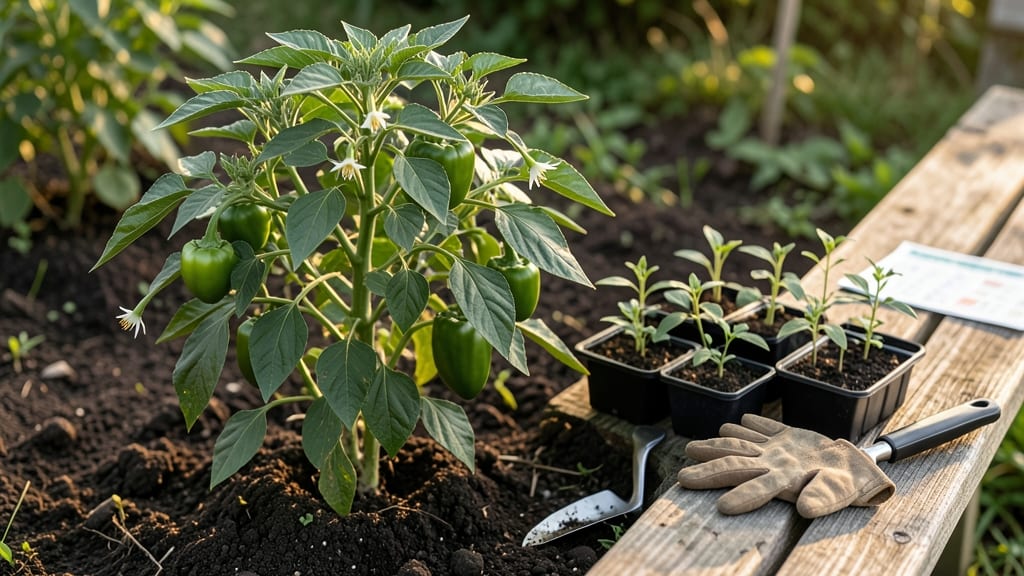
Planting bell peppers 🌶️ in Missouri isn't just about grabbing seeds and sticking them in the ground—it's a calculated dance with frost dates, soil temperatures, and your local microclimate. Get the timing wrong, and you could end up with wilted seedlings or a harvest that never comes.
That's why knowing when to plant bell peppers in Missouri is the difference between a thriving garden and a disappointing one.
Missouri's 5b-6b zones mean your neighbors in St. Louis might have a completely different planting window than you do in rural areas. The last frost date can vary by weeks, and soil needs to warm up to at least 60°F before those seeds will even think about sprouting.
I've learned the hard way that rushing the process leads to sad, frost-nipped plants.
In this guide, I'll break down exactly when to start seeds indoors, when to transplant those tender seedlings, and how to adjust for Missouri's unpredictable weather. Whether you're a first-time gardener or a seasoned pro, these tips will help you maximize your bell pepper harvest from July through October.
We'll also cover smart strategies to extend your growing season, like using row covers and selecting cold-hardy varieties. By the end, you'll know exactly when to plant for zero-frost survival—and how to avoid the most common mistakes Missouri gardeners make every year.
Missouri’s bell pepper planting zones: frost dates by region (St. louis vs. Kansas City vs. rural areas)
Missouri’s USDA zones 5b-7a create dramatic differences in frost-free windows—St. Louis and Kansas City often enjoy urban heat island effects that delay frost, while rural areas face earlier freezes. Understanding these microclimates is critical for bell pepper survival, since seedlings can’t tolerate temps below 50°F.
For St. Louis (Zone 6a), the average last frost date falls between April 10-15, but urban areas may push this to April 20 due to concrete heat retention.
Rural southern Missouri (Zone 7a) sees last frosts as late as April 25, while northern regions (Zone 5b) can experience frost until May 5.
Here’s how these frost date variations impact your bell pepper planting window. Rural gardeners in Zone 5b must wait until May 10 for safe outdoor planting, while St. Louis gardeners can start April 25.
The difference means 3 weeks of growing season—enough to shift from green peppers to mature red varieties.
| Region | USDA Zone | Avg Last Frost | Safe Planting Window | Key Adjustment |
|---|---|---|---|---|
| St. Louis (Urban) | 6a | April 10-20 | April 25 - May 10 | Start seeds indoors March 15 for early harvest |
| Kansas City (Suburban) | 6b | April 5-15 | April 20 - May 5 | Use row covers for early starts |
| Rural Southern MO | 7a | April 15-25 | May 1 - May 15 | Direct sow late May for fall harvest |
| Northern MO (Zone 5b) | 5b | May 1-5 | May 15 - June 1 | Choose short-season varieties (e.g., 'Early Cal Wonder') |
Missouri’s first frost dates also vary wildly—St. Louis averages October 15, while northern zones freeze by October 1. This means your bell peppers need 120-150 days to mature, leaving only 60-90 days for harvest in colder areas.
Use cold frames or row covers to extend the season by 2-3 weeks.
For St. Louis gardeners, the urban heat island can push first frost to October 30, giving you an extra 45 days of growing time. Monitor the Missouri Botanical Garden’s frost calendar for real-time updates, as La Niña years bring earlier frosts.
Rural areas should prioritize fast-maturing varieties like 'Early Prolific' (60 days) over 'Jupiter' (85 days).
Soil temperature is just as critical as air temperature. Bell pepper seeds won’t germinate below 60°F, and seedlings struggle in 50°F soil. Use a soil thermometer to confirm 65°F+ before planting outdoors.
In Zone 5b, this often means waiting until late May, while St. Louis can plant by May 1.
Pro tip: Black plastic mulch warms soil by 5-10°F, letting you plant 1-2 weeks earlier in all zones. Pair this with drip irrigation to maintain consistent moisture—bell peppers hate fluctuating soil temps.
For Kansas City’s Zone 6b, aim for May 1 transplants with mulch and you’ll see first peppers by July 15.
Missouri’s microclimates mean your neighbor
Step-by-step Missouri bell pepper planting timeline (indoors vs. outdoors)
Timing is everything when growing bell peppers in Missouri. These heat-loving plants need 60-85°F soil temperatures to thrive, and Missouri’s last frost dates vary dramatically—from late March in southern zones to mid-April in northern areas.
Whether you’re starting seeds indoors or transplanting seedlings, this step-by-step guide ensures your peppers get off to the right start without frost damage.
Missouri gardeners often make two critical mistakes: planting too early (risking frost) or too late (missing the growing season). The key is understanding your USDA zone (5b-7a) and the 6-8 week indoor seed-starting window before your area’s last frost.
For example, in St. Louis (Zone 6a), seeds should start indoors by February 15, while in Kansas City (Zone 6b), you have until March 1.
🌱 Missouri Bell Pepper Planting Timeline
-
1
Indoor Seed Starting (6-8 Weeks Before Last Frost)
Start seeds indoors February 15-March 1 (Zone 6a-7a). Use seed-starting mix in trays with heat mats (70-80°F) for faster germination. Keep seedlings under grow lights (14-16 hours/day) to prevent legginess. -
2
Hardening Off (2 Weeks Before Transplant)
Move seedlings outdoors for 2-3 hours/day starting 2 weeks before last frost. Gradually increase exposure to sun and wind to toughen stems. Watch for yellowing leaves, a sign of shock. -
3
Transplant After Soil Warms (60°F+)
Plant outdoors 2-3 weeks after last frost when soil temps hit 60°F+. In Missouri, this is typically April 15-May 1. Space plants 18-24 inches apart in full sun (6+ hours/day) with well-draining soil (pH 6.0-6.8). -
4
Direct Sowing (Late Season Option)
For short-season varieties, sow seeds directly after May 15 when soil is 70°F+. Use black plastic mulch to warm soil faster. Expect a 30-40% smaller yield than transplanted seedlings. -
5
Post-Transplant Care
Water deeply at soil level (1-2 gallons/plant) to avoid wetting leaves (prevents disease). Apply mulch to retain moisture and fertilize with 10-10-10 when flowers appear. Protect from late frosts with row covers until plants are 12 inches tall.
Missouri’s microclimates mean your neighbor’s frost date might differ by weeks. Check the Missouri Botanical Garden’s frost calculator for your exact location, then adjust your timeline. For example, rural areas often have 2-3 weeks earlier last frosts than cities due to urban heat islands.
If you’re in a northern Missouri zone (5b), consider using row covers to extend your season. These lightweight fabrics can raise soil temps by 5-10°F, helping peppers thrive even in cooler springs. Always remove covers during the day to prevent overheating—bell peppers hate humidity above 85°F.
Pro tip: Mark your calendar for May 15 as the absolute latest for transplanting in most of Missouri. After that, your peppers won’t have enough time to mature before the first fall frost (late October).
For a second crop, try fast-maturing varieties like ‘Early California Wonder’ (60 days to harvest) and start them indoors in July for a fall harvest.