
Plants
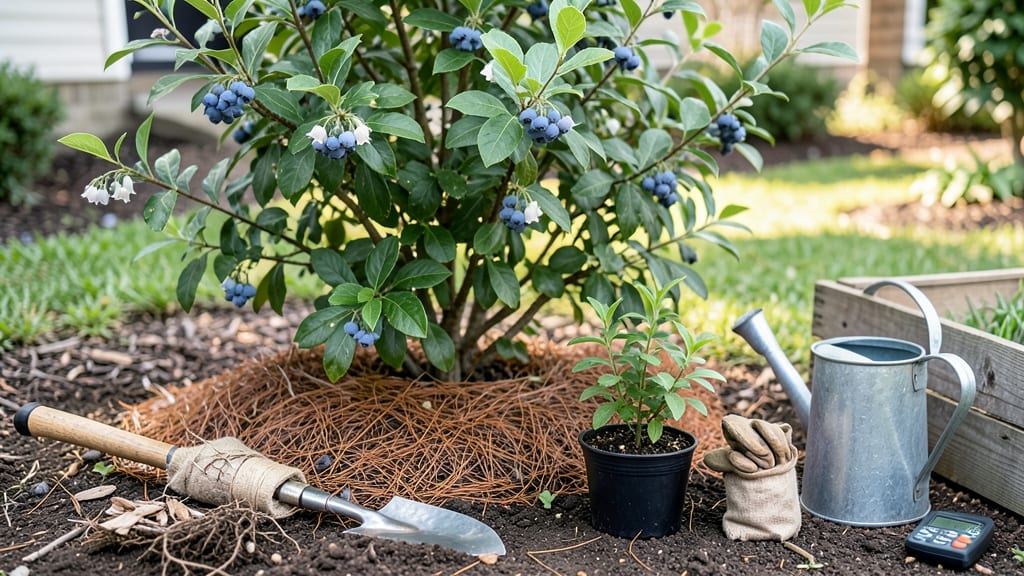
Planting blueberries in Wisconsin isn’t just about timing—it’s about matching the right variety to your region’s chill hours to guarantee a bountiful harvest. Whether you’re in Zone 4a or 6b, getting the window wrong means stunted bushes or no fruit at all.
The key? Early spring or fall planting, when soil temps are cool but frost isn’t lurking.
I’ve tested the best strategies for Wisconsin gardeners, from acidic soil prep to choosing varieties like ‘Bluecrop’ (perfect for northern areas) or ‘Duke’ (ideal for southern regions).
These 🫐 powerhouses need the right conditions to thrive—and I’ll show you exactly how to set them up for success, whether you’re planting in-ground or containers.
You’ll learn why September-October is the sweet spot for fall planting, how to protect young bushes from late frosts, and the simple tricks to keep your soil pH in the perfect range. Skip these steps, and you might end up with bushes that look healthy but produce nothing.
Let’s dive into the exact timeline, variety recommendations, and care tips to turn your Wisconsin backyard into a blueberry haven—no guesswork, just reliable harvests from late June to August.
Wisconsin blueberry planting timeline by chill-hours: best varieties for northern vs southern regions
Wisconsin’s chill-hour zones dictate when and which blueberry varieties thrive. Northern regions (USDA zones 4a-5a) need 600-800 chill hours, while southern areas (zones 5b-6b) require 400-600 chill hours. Planting at the wrong time risks frost damage or poor fruit set.
Fall planting (September-October) is ideal for root establishment before winter, while spring planting (April) works if soil thaws early. Northern Wisconsin gardeners should prioritize late-summer planting to avoid early frosts, whereas southern Wisconsin can plant slightly later.
Here’s how chill-hour needs match top varieties like ‘Bluecrop’ (800+ hours), ‘Duke’ (600+ hours), and ‘Jersey’ (400+ hours)—critical for Wisconsin’s diverse climate.
For northern Wisconsin, ‘Bluecrop’ is a top pick due to its 800+ chill-hour tolerance and reliable yields. Plant in early September to establish roots before first frost (mid-October). In southern Wisconsin, ‘Duke’ thrives with 600 chill hours and can handle later planting in October.
Spring planting is riskier but works if you plant bare-root plants in April as soon as soil thaws. Avoid planting after May 15—new roots won’t establish before winter. Mulch heavily (3–4 inches of pine straw) to protect roots from temperature swings.
Wisconsin’s last frost dates vary wildly: April 15 in southern areas vs. May 10 in the north. Use a frost calendar (like the Midwest Regional Climate Center’s) to time planting. For container growing, plant ‘Top Hat’ in late May—its compact size avoids frost exposure.
Test soil pH (4.5–5.5) before planting—Wisconsin’s native soil is often too alkaline. Amend with sulfur or peat moss if needed. Northern varieties like ‘Patriot’ need acidic soil to thrive, while southern types like ‘Bluegold’ are slightly more adaptable.
After planting, water deeply (1–2 inches per week) and avoid overhead watering to prevent fungal diseases. Northern plants need extra winter protection—wrap young shrubs in burlap or use straw mulch to insulate roots.
Pro tip: Label varieties immediately—‘Bluecrop’ and ‘Duke’ look similar but have different harvest times. Northern plants fruit 2 weeks earlier than southern varieties, so stagger planting for a longer harvest season.
With the right chill-hour match and planting timing, your Wisconsin blueberries will reward you with juicy, homegrown fruit for decades. Start with one variety that fits your zone, then expand over time!
Step-by-step guide to planting blueberries in Wisconsin soil: pH, spacing, and mulching secrets
Wisconsin’s cool climate and acidic soil create perfect conditions for blueberries—but only if you follow the right planting steps. The key to success lies in preparing your soil to a pH of 4.5–5.5, spacing plants correctly for airflow, and using organic mulch to protect roots during harsh winters.
Let’s break it down so your blueberry bushes thrive from day one.
Before you plant, test your soil’s acidity level. Wisconsin’s native soil often tests too alkaline for blueberries, so you’ll need to amend it with sulfur or peat moss.
Aim for a pH between 4.5 and 5.5, as this range is ideal for blueberry root health and nutrient uptake. If your soil tests higher, don’t panic—amending it takes just a few weeks with the right materials.
When to plant blueberries in Wisconsin depends on your region, but the best windows are early spring (April) or early fall (September-October). Spring planting gives roots time to establish before summer heat, while fall planting allows roots to settle before winter dormancy. Choose a time when soil temperatures are above 40°F to avoid frost damage.
Step-by-Step Planting Guide
-
Step 1: Prepare the Soil
Dig a hole twice as wide as the root ball. Mix peat moss or compost into the native soil to lower pH and improve drainage. Avoid heavy clay soils, which can suffocate roots. -
Step 2: Plant at the Right Depth
Place the plant so the top of the root ball sits 1–2 inches above soil level. This prevents root rot while allowing for future mulching. Gently backfill with amended soil and tamp lightly. -
Step 3: Space for Airflow
Space 3–6 feet apart, depending on the variety. Dwarf varieties (like ‘Top Hat’) need 3 feet, while standard bushes (like ‘Bluecrop’) thrive with 6 feet of space to reduce disease risk. -
Step 4: Mulch Heavily
Apply 3–4 inches of organic mulch (pine needles, wood chips, or straw) around the base. Mulch retains moisture, regulates soil temperature, and suppresses weeds—critical for Wisconsin’s freezing winters. -
Step 5: Water Deeply
Water immediately after planting to settle the soil. Keep the area consistently moist for the first 2–3 weeks, then taper to 1–2 inches per week during the growing season.
After planting, monitor your blueberries for signs of stress or pests. Yellowing leaves may indicate pH issues or nutrient deficiencies, while wilting could signal overwatering or poor drainage.
Adjust care as needed—blueberries are resilient but need consistent conditions to reward you with juicy harvests in just 2–3 years.
For container growing in urban Wisconsin yards, use a 5-gallon pot with acidic potting mix and ensure it drains well. Place containers in full sun and water more frequently, as pots dry out faster. With the right setup, even small spaces can yield abundant blueberries.
Remember, blueberries are a long-term investment. With proper soil prep, spacing, and mulching, your Wisconsin blueberry bushes will thrive for decades, providing fresh fruit and stunning foliage year after year. Happy planting! 🌱🫐