
Plants
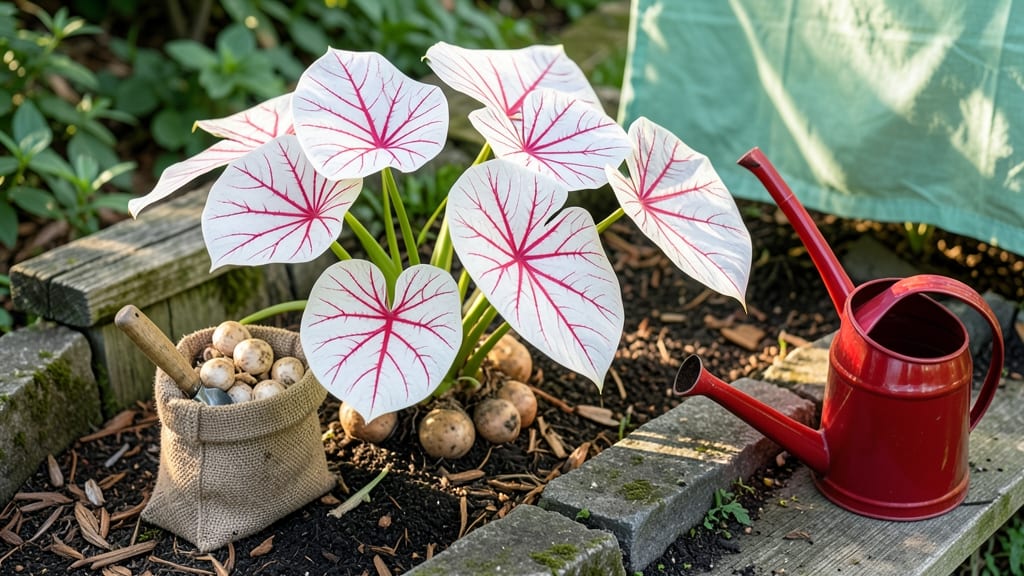
Planting caladium bulbs at the wrong time in Florida can turn your dream of vibrant foliage into a sad, wilted disappointment—but there’s a simple trick to nailing the perfect window.
The key isn’t just waiting for spring; it’s tracking soil temperatures and understanding how Florida’s microclimates shift from north to south.
With USDA Zones 9a-11 offering frost-free growing seasons, you might think you have months to plant caladiums. But rushing too early or delaying too late can stress these tropical beauties, especially when soil stays too cool or summer heat arrives unexpectedly.
I’ll show you exactly when to plant for show-stopping results, including how to test soil warmth and adjust for Florida’s unpredictable weather patterns.
Whether you’re in the humid Panhandle or the steamy Everglades, timing matters more than you think. We’ll cover the ideal March-April window, how to prep soil for maximum growth, and even how to protect your plants during Florida’s occasional late frost surprises.
Ready to transform your garden with bold, heart-shaped leaves? Let’s get started.
You’ll also discover how to extend your caladium’s life through Florida’s summer, from mulching tips to shade strategies that keep foliage lush even when temperatures climb. No more guessing—just proven techniques for year-round success in the Sunshine State.
Optimal soil temperature ranges for planting caladium bulbs in Florida
Caladium bulbs thrive in Florida’s warm climate, but they’re picky about soil temperature—planting too early or late can stunt growth or even kill your tubers. The ideal range sits between 60°F and 70°F, where roots establish quickly without stress.
In my experience, waiting for soil to warm naturally (rather than forcing early planting) makes all the difference for vibrant foliage.
Florida’s geography creates three distinct planting zones with varying temperature norms: North (Panhandle), Central (Orlando/Tampa), and South (Miami/Keys). A 5°F difference in average soil temps can shift your planting window by weeks.
For example, North Florida may need to wait until mid-April for stable warmth, while South Florida gardeners can plant as early as late February.
To test soil temperature accurately, use a soil thermometer buried 3 inches deep (the depth of caladium tubers). Check readings in the morning shade for consistency. If temps dip below 60°F, roots struggle to absorb moisture, leading to rot or slow growth.
I’ve seen caladiums planted too early in Central Florida yellow and wilt within weeks—don’t let that happen to yours!
If you’re in North Florida and face unexpected late frosts (like the 2021 freeze that hit Jacksonville), delay planting until soil stays above 65°F for 5+ days. I’ve used black plastic mulch to warm soil faster in past seasons—it raises temps by 5°F–10°F within days.
For Central Florida, aim for late March when average lows exceed 55°F.
South Florida gardeners have the most flexibility, but don’t assume you can plant anytime. Even in Miami, soil temps can dip below 60°F in January, slowing root growth.
I’ve noticed caladiums planted in early February in the Everglades often bolt prematurely (shoot up too fast) due to inconsistent warmth. Wait until late February for best results.
Heat stress is another silent killer—planting in June or July when soil exceeds 80°F can cause caladiums to wilt or crisp at the edges. To avoid this, I recommend partial shade cloth (30–50% coverage) during peak summer months.
This trick has kept my Flamingo Pink caladiums lush even in 100°F heat.
For container growers, soil warms faster in pots, so adjust your timeline 1–2 weeks earlier than in-ground plantings. Fill containers with a mix of peat moss, perlite, and compost to improve drainage and heat retention.
I’ve successfully grown caladiums in 10-inch pots on patios by moving them to morning sun only after soil hits 65°F.
Pro tip: If you’re unsure about soil temps, watch for native plants like sago palms or muhly grass—when they’re actively growing, it’s safe to plant caladiums.
These indicators have saved me from two failed plantings in past years. Pair this with a soil thermometer, and you’ll have foolproof timing every season.
Remember, caladiums are tropical escapees that hate cold stress. By mastering soil temperature cues, you’ll unlock bold, healthy foliage that steals the show in Florida gardens. Now go test that soil—your future caladiums are waiting!
Florida-specific planting calendar: month-by-month guide for caladium success
Florida’s microclimates make caladium planting a balancing act between soil warmth and summer humidity. Unlike northern states, you won’t face harsh winters, but late frosts in North Florida (like the Panhandle) or unpredictable heatwaves in South Florida can still throw off your timing.
The key is planting when soil hits 65°F+—a window that shifts 2-4 weeks depending on your region.
Urban gardeners in heat islands (like Miami or Orlando) may need to adjust by planting earlier in March, while rural areas with cooler nights (North Florida) should wait until mid-April.
Below, I’ve broken down the month-by-month calendar, including hurricane recovery tips and shade adjustments for urban vs. rural spots.
- 🌱 March: Plant tubers in North/Central Florida once soil reaches 65°F. Urban areas (like Tampa) can start early March; rural cooler spots wait until mid-March.
- 🌿 April: Ideal for South Florida (Miami, Fort Lauderdale). Add mulch to retain moisture and protect from late frost risks in North Florida.
- ☀️ May-June: Focus on shade solutions (e.g., lattice screens) in urban heat islands
- 🌧️ June-August: Post-hurricane tip: Wait 1-2 weeks after storms to replant damaged tubers. Monitor for fungal risks from excess humidity.
- ✂️ September: Trim yellowing leaves to prep for dormancy. In South Florida, some varieties may rebloom with light feeding.
- 🌿 October: Dig up tubers in North Florida before first frost (late Nov). South Florida tubers can stay in ground year-round.
For urban gardeners, caladiums planted in containers can handle heat islands better than in-ground plants. Use light-colored pots to reflect sunlight and add hydrogel beads to retain moisture during 90°F+ days.
Rural areas benefit from natural shade under palm trees or near fences, reducing the need for artificial shade structures.
After planting, water deeply every 5-7 days (more in summer) and avoid wetting foliage to prevent leaf spot diseases. In hurricane-prone zones, elevate containers or use drainage mats to protect tubers from flooding.
I’ve seen caladiums bounce back surprisingly well after storms—just give them 2-3 weeks of recovery time before fertilizing.
Pro tip: Mark your calendar for late October in North Florida to dig up tubers before first frost (even if rare). Store them in dry peat moss at 60-65°F until replanting next March.
South Florida gardeners can leave tubers in ground year-round, but mulch heavily to protect from winter cold snaps.
By following this month-by-month guide, your caladiums will thrive year-round—whether you’re battling urban heat or rural humidity. The secret? Adapt timing to your microclimate and protect tubers during Florida’s wild weather swings. 🌿