
Plants
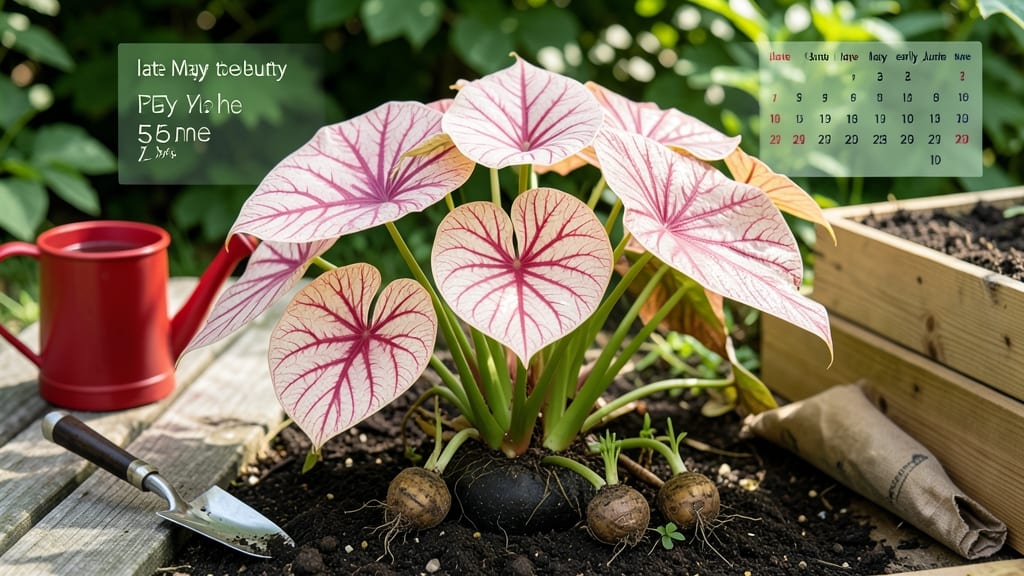
Planting caladium bulbs in Texas at the wrong time can turn your dream shade garden into a sad, wilted mess—especially when those late frosts sneak in.
The key to vibrant 🌿 caladium foliage isn’t just about waiting for spring; it’s about catching the perfect window when soil temperatures hit 60°F and stay there, signaling it’s finally safe to plant.
Here’s the hard truth: North Texas gardeners face a different clock than their South Texas counterparts. While Dallas might still see frost in February, Houston’s already basking in 70°F soil by March.
Getting this timing wrong means either freezing your bulbs or watching them struggle in the heat before they’ve even sprouted.
I’ve learned the hard way that rushing caladiums into the ground too early—even with mulch—is a recipe for disappointment. But with the right soil prep and a little patience, you can ensure your caladiums burst into color just as Texas’s summer shade gardens need them most.
Let me show you exactly when to plant for your specific corner of Texas, plus the 3 critical mistakes that even experienced gardeners make. Your future shade garden will thank you.
Texas caladium planting timeline: soil temperature rules for frost-free growth
Caladiums thrive in Texas’s warm climate, but their soil temperature requirements are critical. Unlike frost-hardy plants, caladium bulbs need 60-70°F soil to sprout successfully. Planting too early risks frost damage, while waiting too long can delay their stunning foliage display.
Texas’s diverse regions—from North Texas’s cooler springs to South Texas’s early warmth—demand tailored timing.
In North Texas (USDA Zones 7b-8a), where last frost dates hover around February 15, wait until mid-to-late April for ideal soil temps. Meanwhile, South Texas (Zones 8b-10a) gardeners can plant as early as late February, thanks to earlier soil warming.
Always prioritize soil temperature over calendar dates to ensure success.
Here’s your Texas caladium planting timeline by region, including soil temp triggers and key actions:
To test soil temperature accurately, use a soil thermometer (available at garden centers for ~$10). Insert it 2-3 inches deep—the depth where caladium bulbs will root.
Morning is the best time to check, as temps fluctuate less. Aim for consistent 60°F+ readings for 3-5 days before planting to signal safe conditions.
Caladium bulbs don’t require pre-chilling like tulips or daffodils, but they do need warm soil to break dormancy. If your soil is still chilly, mulch heavily with straw or leaves to accelerate warming.
Avoid planting in cold, wet soil, which can cause rot. For container growers, use black plastic pots to absorb sunlight and raise soil temps faster.
In North Texas, where springs can be unpredictable, consider starting bulbs indoors in late February. Use a seedling heat mat set to 70°F and transplant outdoors once soil reaches 65°F.
This head start compensates for slower soil warming. For South Texas, where early planting is safe, focus on shade protection to prevent leaf scorch from intense afternoon sun.
After planting, maintain consistent moisture—caladiums hate drying out. Mulch with 2-3 inches of organic matter (like pine straw) to retain moisture and regulate soil temps. In humid East Texas, add a 1-inch layer of gravel under mulch to improve drainage and prevent fungal issues.
Avoid overwatering, which can drown bulbs and cause leaf spot diseases common in Texas’s muggy summers.
Pro tip: Mark your calendar for the average last frost date in your area (check Texas A&M AgriLife for local data). Add 4-6 weeks to this date to estimate your ideal planting window.
For example, if your last frost is March 1, aim for April 1-15. This buffer accounts for soil temperature lag behind air temps.
Remember, caladiums are tropical plants at heart. They’ll reward you with vibrant foliage all summer if you respect their warmth requirements. Whether you’re in freeze-prone North Texas or tropical South Texas, timing your planting to soil temperature—not just the calendar—is the secret to success. Happy gardening! 🌿
5 Critical mistakes Texas gardeners make when planting caladium bulbs (and how to avoid them)
I’ve watched Texas gardeners make the same caladium planting mistakes year after year, and the results are always the same—stunted growth, faded foliage, or worst of all, bulbs that refuse to sprout. The good news? These mistakes are easily avoidable once you know the Texas-specific tricks. Let’s fix them together.
First, most gardeners plant caladium bulbs too deep because they assume deeper means safer. But caladiums need just 1-2 inches of soil coverage—any deeper, and they’ll rot before they even sprout. In East Texas humidity, this is especially critical since excess moisture accelerates rot.
Here’s the callout warning you’ve been waiting for:
⚠️ Texas Caladium Planting Warning
Mistake #1: Planting in cold soil (<55°F) or before last frost (varies by region—North Texas: Feb 15, South Texas: Jan 15). Solution: Wait until soil temps hit 60°F+ and nights stay above 55°F consistently. Use a soil thermometer to check!
Mistake #2: Ignoring microclimates. West Texas gardeners often plant too late due to dry heat, while East Texas gardeners rush too early because of high humidity. Solution: Adjust planting by 2-3 weeks—earlier in East Texas, later in West Texas.
Second, many gardeners skip soil prep because they assume caladiums are low-maintenance. But Texas soil—whether clay-heavy in North Texas or sandy in South Texas—needs amending. Mix in 2-3 inches of compost or a well-draining potting mix to prevent waterlogging, which is deadly for these tropical bulbs.
Third, overwatering is a silent killer. Caladiums love moisture but hate soggy roots. In humid East Texas, I’ve seen gardeners drown their plants by watering on a strict schedule.
Instead, water deeply but infrequently—once a week in summer, less in fall. Stick your finger 1 inch into soil; if it’s dry, water.
Fourth, neglecting mulch leads to temperature swings that stress bulbs. Apply 2-3 inches of mulch (straw or shredded leaves work best) to insulate soil and retain moisture. In West Texas dry heat, mulch also prevents soil from cracking and exposing roots to extreme temps.
Finally, not protecting from late-season heat ruins your caladiums’ second act. By late summer, Texas heat can scorch foliage. Move potted caladiums to partial shade or provide afternoon shade for in-ground plants. Pair them with tall grasses or shrubs to create natural shade.
Now that you’ve avoided these Texas caladium planting traps, your bulbs will reward you with lush, vibrant foliage all season long. Grab your soil thermometer and get planting—your garden’s ready for a showstopper! 🌿