
Plants
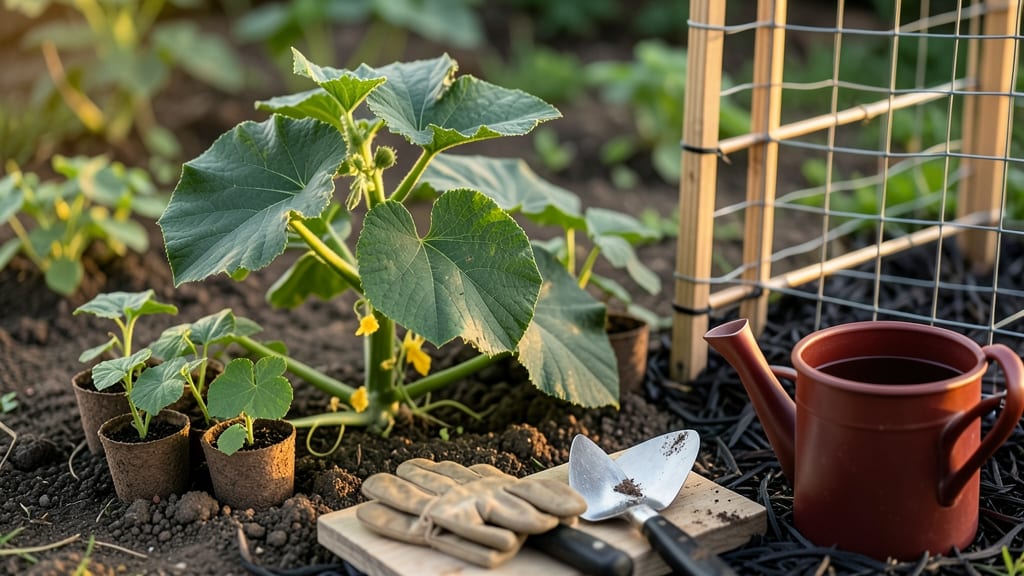
Planting cucumbers in New York at the wrong time means watching your seedlings wilt before summer even begins. The key to a thriving 🥒 harvest lies in knowing your county’s last frost date—because those crisp, vine-ripened cucumbers won’t wait forever.
In USDA Zone 6a, where New York’s growing season kicks off around mid-May, timing matters more than you’d think. Too early, and frost zaps your tender starts; too late, and summer’s heat arrives before you even get to taste your first cucumber.
I’ll break down the exact windows for your region—whether you’re in upstate’s cooler valleys or NYC’s urban heat islands—so you can plant with confidence.
Ready to skip the guesswork? You’ll learn how to adjust for early vs. late varieties, protect seedlings from late frosts, and even extend your harvest into September. Let’s get those cucumbers growing the right way—no more wasted effort, just juicy rewards.
From soil temperature checks to county-specific frost dates, I’ve got the actionable steps you need. Whether you’re a first-time gardener or a seasoned grower, these tips will help you beat the clock and enjoy a bumper crop all season long.
NY county-specific last frost dates for cucumber planting success
New York’s diverse climate—from the Adirondacks’ chilly highlands to Long Island’s coastal warmth—means your cucumber planting window can vary by hundreds of miles. Understanding your county’s last frost date is the first step to avoiding frozen seedlings or missed harvests.
In Western NY, soil warms faster than in Eastern NY, while urban heat islands in NYC can push back frost dates by weeks.
For warm-season cucumbers, which thrive in 60°F+ soil, timing is critical. Plant too early, and a late frost will kill tender seedlings. Too late, and summer’s heat arrives before you harvest.
The key? Align your planting with local frost averages while adjusting for microclimates—like a south-facing wall that adds warmth or a low-lying area that stays colder longer.
Below is a region-by-region breakdown of New York’s last frost dates, planting windows, and heat-tolerant varieties for late starts. Use this as your planting calendar to maximize your cucumber harvest from July through September.
🌱
| Region | Last Frost Date (Avg.) | Safe Planting Window | Heat-Tolerant Varieties | Microclimate Tips |
|---|---|---|---|---|
| Western NY (Buffalo, Rochester) | April 25–May 5 | May 10–20 (soil at 60°F+) | 'Straight Eight', 'Lemon Cucumber' | Urban areas: 1–2 weeks later; rural: 1 week earlier |
| Central NY (Syracuse, Albany) | May 5–15 | May 20–30 (soil at 60°F+) | 'Bush Champion', 'Marketmore' | Northern counties: Use row covers for late frosts |
| Eastern NY (NYC, Hudson Valley) | May 10–20 | May 25–June 5 (soil at 60°F+) | 'Armenian', 'Poona Kheera' | Coastal areas: Plant 1 week earlier; inland: 1 week later |
| Northern NY (Adirondacks, Plattsburgh) | May 15–25 | June 1–10 (soil at 60°F+) | 'Northern Pickling', 'Sweet Success' | High elevations: Start seeds indoors 4–6 weeks early |
If you’re in Western NY, like Buffalo or Rochester, you can often plant cucumbers by mid-May—but always check a 7-day forecast for late frosts. In Central NY, where cities like Syracuse and Albany sit, aim for late May to avoid frost damage.
The Hudson Valley and NYC typically see their last frost in mid-May, giving you a slightly longer window.
For Northern NY, including the Adirondacks, cucumbers are a high-risk crop due to late springs. Start seeds indoors 4–6 weeks before your last frost date, then transplant after Memorial Day. Heat-tolerant varieties like 'Northern Pickling' can handle hotter summers and are ideal for late starts.
Microclimates play a huge role in urban vs. rural gardening. In NYC or Brooklyn, concrete and buildings trap heat, pushing back frost dates by 1–2 weeks. Plant on rooftops or south-facing walls to extend your season.
Conversely, rural areas with open fields may experience frost 1–2 weeks earlier—so monitor local weather stations like Cornell’s NEWA network.
Pro tip: Use row covers or cold frames to protect seedlings if late frosts threaten. For extreme late starts, choose bush cucumbers like 'Bush Champion', which mature faster than vining types. These varieties also work well in containers, perfect for balcony gardens in cities.
Remember, soil temperature matters more than air temperature. Use a soil thermometer to confirm 60°F+ before planting. If your soil is too cold, cucumbers won’t germinate—even if the air feels warm.
In cooler regions, opt for early-maturing varieties (50–55 days to harvest) to beat the first fall frosts in October.
🌿
How to adjust planting dates for early vs. late varieties in NY
Selecting the right cucumber variety and adjusting your planting schedule can make all the difference in avoiding frost damage or heat-induced bolting.
In New York, early varieties like 'Straight Eight' (slicing) thrive when planted just after the last frost, while late-season varieties such as 'Marketmore' (pickling) need a staggered start to extend harvests into September. The key is matching your variety to your county’s microclimate and soil temperature thresholds.
Northern NY counties, like those in the Adirondacks, often face cooler soils, requiring you to start cold-hardy seedlings indoors 3–4 weeks before the last frost date. Meanwhile, bush varieties like 'Bush Champion' are ideal for container gardens in urban areas, where space is limited.
Always prioritize soil temps above 60°F—cucumbers won’t germinate in cooler conditions, no matter how hardy the variety.
- Start early varieties (45–55 days to maturity) 2 weeks after last frost for a June harvest.
- Plant late varieties (60+ days to maturity) by mid-June to avoid bolting before harvest.
- Use row covers for northern NY to extend the season by 2–3 weeks.
- Test soil temperature with a thermometer—aim for 60°F+ before planting outdoors.
- Choose bush varieties for containers or small spaces; vining types need trellises and more room.
For northern NY counties, like Erie or Chautauqua, consider starting seeds indoors in April using grow lights to give seedlings a head start. Transplant them outdoors only when nighttime temps stay above 55°F.
In southern NY, where frost risk is lower, you can direct-sow heat-tolerant varieties like 'Southern Sweet 100' as early as mid-April under protective row covers.
Adjusting your schedule also means watching for heat waves. If temps exceed 90°F during flowering, cucumbers may bolt prematurely, producing bitter fruit.
To combat this, use shade cloth during peak heat and mulch heavily to keep roots cool. Pickling cucumbers, like 'Boston Pickling', are more tolerant of heat than slicing types, making them a great choice for late-season plantings.
Always harvest frequently to encourage continuous production. If you miss this window, cucumbers can turn yellow and seedy quickly. For a second harvest in fall, try succession planting with short-day varieties like 'Diva' in late July.
These adapt better to shorter daylight hours and produce well into September or October before the first frost.
By aligning your variety choice, planting date, and seasonal adjustments, you’ll enjoy crisp, homegrown cucumbers from June through September—no matter where in New York you garden. 🥒