
Plants
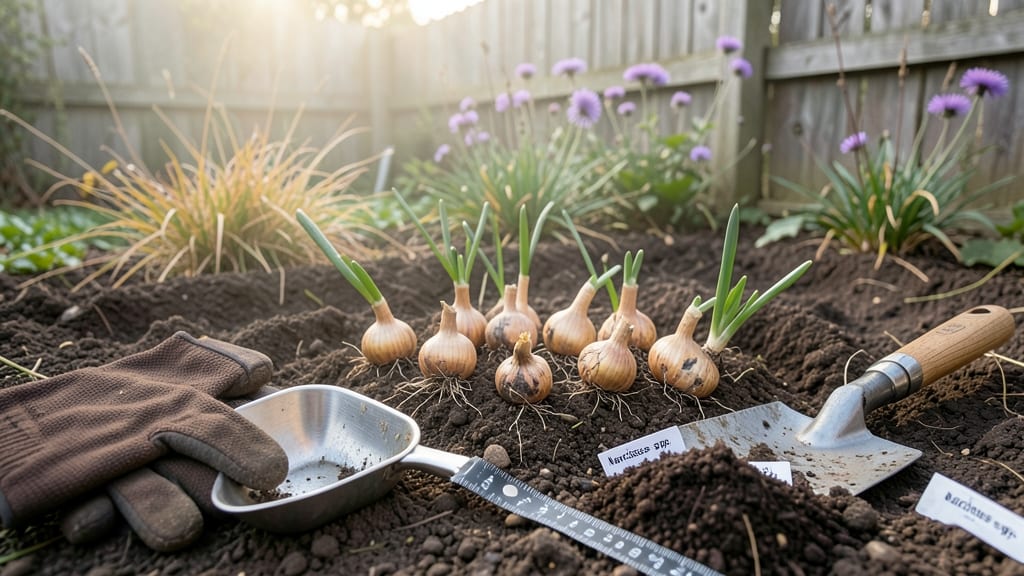
Planting daffodils at the wrong time in New York can mean waiting years for those cheerful 🌼 blooms—or worse, never seeing them at all. The key to fast, reliable growth lies in understanding when your soil is ready, not just the calendar date.
Most gardeners in USDA zones 5b-7b rush to plant in October, but that’s only half the battle. The real secret is waiting until soil temperatures drop to 40-50°F, signaling bulbs it’s time to settle in for winter.
Get this wrong, and your daffodils might rot before spring—even in NYC’s urban gardens.
I’ll walk you through the exact window for planting (hint: it’s not just October), how to test your soil’s readiness, and why container planting works surprisingly well for city dwellers. No more guesswork—just vibrant blooms next spring.
Whether you’re prepping a backyard bed or a balcony pot, these fast-growing tips will have your daffodils popping up like clockwork. Let’s get those bulbs in the ground the right way.
Ideal planting times for daffodils in New York based on soil temperature
New York's diverse climate means daffodil planting times vary dramatically from Upstate to New York City. While most gardeners focus on months, the real secret lies in soil temperature.
Daffodil bulbs need 40-50°F soil to establish roots before winter dormancy. Plant too early, and they’ll rot; too late, and they won’t root deeply enough for spring blooms.
For USDA zones 5b-6a (common in Upstate NY like Rochester or Syracuse), aim for mid-October to early November. In zones 6b-7b (NYC, Long Island, or Hudson Valley), you’ve got a slightly longer window—late October to mid-November.
The key is planting 6 weeks before the ground freezes, giving roots time to anchor before winter.
Here’s how to test your soil temperature for perfect timing: Use a soil thermometer (or a meat thermometer) to check 4-6 inches deep. When temps consistently hit 40-50°F at that depth, it’s go-time. Pro tip: Morning readings are most accurate since soil warms during the day.
| Region | USDA Zone | Ideal Planting Window | Soil Temp Threshold | Last Frost Date |
|---|---|---|---|---|
| Upstate NY (Albany, Syracuse) | 5b-6a | Mid-October to Early November | 40-50°F (4-6" deep) | Mid-April |
| NYC & Long Island | 6b-7a | Late October to Mid-November | 45-50°F (4-6" deep) | Late April |
| Hudson Valley | 6a-6b | Late October to Early December | 40-48°F (4-6" deep) | Early-Mid April |
Spring planting is possible but risky in New York. If you miss fall, plant in early spring (March-April) as soon as soil is workable (50-60°F). However, bulbs planted in spring often bloom later or weaker because they lack the root establishment time of fall planting.
For container gardeners, spring planting works better since pots warm faster.
Don’t let NYC’s urban heat island effect fool you—soil in concrete-heavy areas stays warmer longer. Test your soil temperature weekly in October to catch the perfect window.
In rural Upstate areas, cooler microclimates mean you’ll need to plant earlier. Always err on the side of planting slightly late rather than early to avoid rot.
For container planting, use well-draining pots and plant 2-3 bulbs per 6-inch pot. Containers warm faster in spring, so you can push spring planting to late March if needed. Just remember: Daffodils hate soggy soil, so add perlite or sand to potting mixes for urban gardeners.
Pro move: Mulch after planting with 2-3 inches of straw or shredded leaves to insulate bulbs and regulate soil temperature. This is especially critical in zone 5b areas where winters are harsher. Remove mulch in early spring once shoots appear to prevent rot.
New York’s first frost dates vary wildly—from October 15 in the Adirondacks to November 15 in NYC. Use the National Weather Service or Cornell Cooperative Extension for local frost data. If you’re unsure, plant daffodils in mid-October as a safe bet for most of the state.
One final tip: Store bulbs in a cool, dark place (like a garage) if you’re late to plant. Keep them in paper sleeves and don’t refrigerate—they need 40-50°F temps, not freezing. With the right timing, your daffodils will reward you with bold spring blooms year after year.
How to prepare your New York garden for daffodil planting success
Now that you’ve mastered the soil temperature window, let’s dive into the hands-on prep work that’ll give your daffodils the perfect start. New York’s diverse climates—from NYC’s urban heat islands to Upstate’s rocky soils—mean your garden needs tailored care.
The right soil amendments and planting techniques can mean the difference between weak sprouts and bold blooms next spring.
Start by testing your soil’s drainage and pH level. Daffodils hate soggy roots, so if your garden holds water after rain, mix in coarse sand or perlite to loosen heavy clay soils common in Upstate New York.
Aim for a slightly acidic to neutral pH of 6.0-7.0. You can grab a soil test kit from local garden centers or send a sample to Cornell Cooperative Extension for expert analysis.
Next, enrich your soil with well-aged compost or a bulb-specific fertilizer. Work in 2-3 inches of compost into the top 12 inches of soil. For urban gardeners with limited space, container planting is a great option—just use a fast-draining potting mix with 20% perlite to prevent rot.
Daffodils thrive in well-aerated soil, so avoid compacted areas where roots can’t spread.
⚠️ Warning: Planting Too Early in New York?
Even if your calendar says October, don’t plant until soil temps drop below 50°F. Warm soil can trigger early root growth, leaving bulbs vulnerable to rot before winter. Use a soil thermometer ($10 at garden centers) to check—wait for consistent 40-50°F readings for 3-5 days. NYC’s urban microclimates often stay warmer, so plant 2 weeks later than Upstate areas.
When selecting daffodil bulbs, opt for large, firm specimens with no soft spots or mold. Smaller bulbs may take 2 years to bloom, while premium bulbs often flower the first spring. For deer-prone areas, choose ‘Ice Follies’ or ‘Tête-à-Tête’—these varieties are less appealing to hungry critters.
Plant bulbs 6 inches deep and 6 inches apart for standard varieties, or 3 inches deep for dwarf types. This spacing prevents crowding and reduces disease risk.
To protect your investment from squirrels and deer, take proactive steps. Scatter hot pepper flakes around planting areas—squirrels dislike the smell. For deer, install chicken wire cages over newly planted bulbs until roots establish (about 6 weeks).
Urban gardeners can also try deer-resistant companion plants like alliums or fritillaries to mask the scent of daffodils. Mulch with straw or shredded leaves after planting to insulate bulbs and deter digging.
Finally, water thoroughly after planting to settle the soil and encourage root contact. In drought-prone areas like Long Island, give bulbs a deep watering every 10-14 days until spring rains return.
Avoid overhead watering to prevent fungal diseases. With these prep steps, your daffodils will emerge vigorous and vibrant, ready to brighten New York’s spring skies.