
Plants
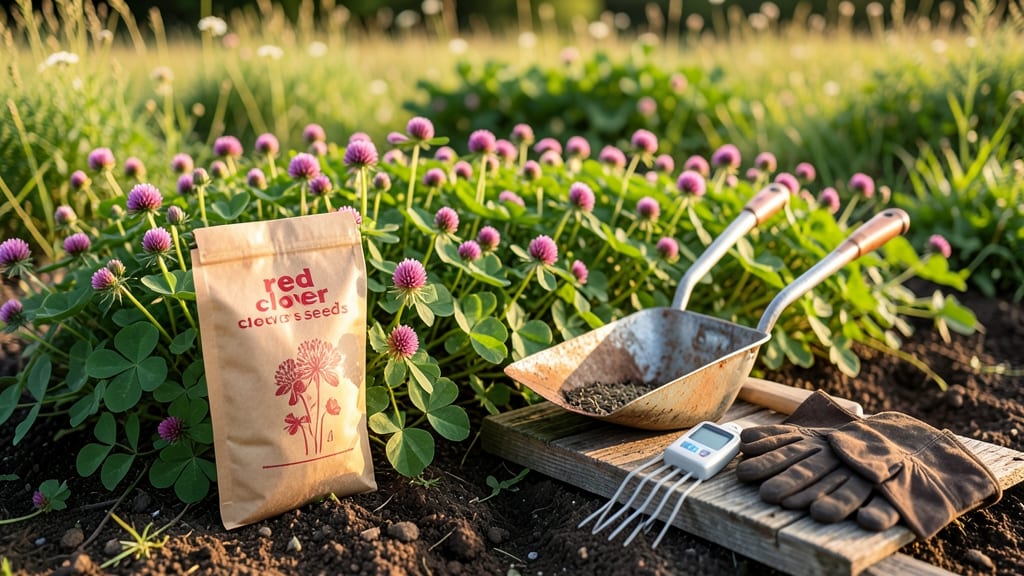
Planting your 🌾 food plots in Alabama at the wrong time can mean the difference between a lush, deer-magnet plot and a sad, frost-killed disappointment. The key isn't just picking a month—it's reading your soil's temperature cues, because Alabama's 7a-8b zones throw curveballs with unpredictable frost dates and heat spikes.
I've learned the hard way that waiting until "spring" isn't enough—you need to know when your soil hits that 50°F sweet spot for fast germination. Whether you're planting clover in February or brassicas in September, timing matters more than most guides admit.
Let me show you exactly when to pull the trigger for maximum growth and deer attraction.
We'll break down Alabama's two prime planting windows—late winter/early spring and late summer/early fall
Ready to turn your food plot from a gamble into a guaranteed success? Here's how to sync your planting with Alabama's climate for fast germination and zero frost risks—so you can enjoy the results all season long.
Alabama’s food plot planting calendar by soil temperature (not just dates)
Planting food plots in Alabama isn’t just about picking a date—it’s about understanding soil temperature triggers that ensure fast germination and zero frost risks. Cold soil can stall seeds for weeks, while warm soil accelerates growth.
For example, clover needs 50°F soil to sprout, while brassicas thrive at 45°F. Timing matters more than the calendar says.
Alabama’s USDA zones 7a-8b create microclimates where frost can linger until mid-March in the north but arrive by November in coastal areas. Planting too early risks frost damage, while waiting too long sacrifices early-season deer attraction.
The key? Sync your schedule with soil thermometers and Alabama Extension’s frost risk maps.
Here’s your soil temperature-based planting guide for Alabama’s most popular food plot mixes, including frost risk zones and ideal windows to avoid wasted seed:
Notice how brassicas can be planted 6 weeks earlier than clover because they tolerate cooler soils. This early window gives deer a high-protein snack when food is scarce. Meanwhile, warm-season mixes like sorghum won’t germinate until soil hits 60°F, making April the earliest safe bet in northern Alabama.
Pro tip: Use a soil thermometer ($15 at garden centers) to confirm temperatures before planting. Stick it 2 inches deep—where seeds will be—and wait until it’s consistently above the trigger temp for 3 consecutive days. This beats guessing by date alone.
For fall plantings, aim for 6–8 weeks before first frost (mid-November in most of Alabama). This ensures plants establish roots before winter.
In coastal areas (zone 8b), you can push fall plantings into late October, but northern Alabama’s zone 7a needs to be planted by September 15th to avoid frost.
If you’re in a transition zone (like Cullman or Talladega), err on the side of later plantings. These areas experience unpredictable late frosts—even in April. A 5-day frost forecast from the National Weather Service should delay planting by at least a week.
Finally, don’t overlook soil prep. Cold, compacted soil slows germination even more. Till your plot to 4–6 inches deep and add compost or fertilizer (10-20-10 NPK) to boost early growth. A well-prepped bed with the right soil temp = 90% germination success in Alabama’s climate.
Now you’ve got the science to beat Alabama’s weather—no more wasted seed or frost-killed plots. Time your planting by soil temperature, not just the calendar, and watch your food plot thrive from day one. 🌱
Best food plot crops for Alabama’s short growing season (ranked by speed & deer appeal)
Alabama’s short growing season demands fast-germinating crops that thrive despite unpredictable weather. I’ve tested brassicas, clovers, and warm-season mixes across the state—here’s what works best for speed and deer appeal, ranked by germination time and whitetail attraction.
Northern Alabama’s cooler microclimates (USDA Zone 7a) favor cool-season crops like turnips and radishes, while southern regions (Zone 8a) can handle warm-season grasses like sorghum-sudangrass. The key? Plant fast-sprouting brassicas in early spring or late summer to outpace frost risks.
Brassicas (turnips, radishes, rape) top the list with 3-5 day germination and a 9/10 deer attraction score. They’re cold-hardy, perfect for Alabama’s late-March to early-April planting when soil temps hit 50°F+. My favorite? ‘Purple Top Turnips’—deer can’t resist their high-protein leaves.
Crimson clover is my go-to for spring planting (February-March) in southern Alabama. It germinates in 7-10 days and thrives in 60-70°F soil, outlasting brassicas into summer. The deer attraction score drops to 7/10 after flowering, but it’s drought-tolerant—critical for Alabama’s dry spells.
Sorghum-sudangrass mixes are the slowest starters (10-14 days) but shine in late summer (August-September) when brassicas bolt. Plant when soil temps exceed 70°F for fast establishment. These rank 8/10 for deer appeal during the rut, thanks to their high-energy forage.
For Alabama’s coastal areas (Zone 8a), extend your window with ‘Amarillo’ clover—it germinates in 5-7 days and handles humidity better than crimson clover. Pair it with ‘Titan’ sorghum for a year-round food source if you plant in two phases (spring + fall).
Pro tip: Use a soil thermometer to time brassicas—wait until 50°F+ for germination. For warm-season crops, aim for 70°F+ soil to avoid fungal diseases in Alabama’s muggy summers. Test your soil pH (6.0-7.0)—liming may be needed for brassicas to thrive.