
Plants
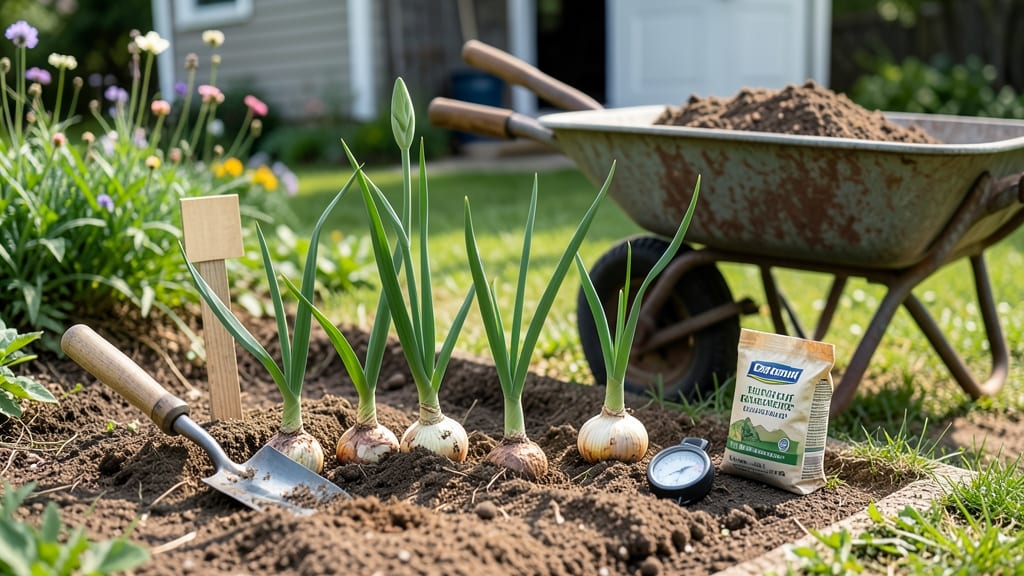
Planting gladiolus bulbs at the wrong time in Tennessee can mean the difference between showstopping summer blooms and sad, stunted stalks—especially when late frosts linger past mid-April. The key is waiting for soil temperatures to hit 60°F+, which typically lands in late May for most of the state.
I’ve seen gardeners rush the process only to watch their 🌸 gladiolus struggle through cool nights, leaving them wondering why their plants refuse to thrive.
But timing isn’t just about avoiding frost—it’s also about giving your glads enough warm weather to reach their full 3-5 foot height before summer’s heat sets in.
In this guide, I’ll walk you through the exact frost-free planting window for Tennessee’s Zone 7a-8b, including backup weeks for those unpredictable springs. You’ll also learn how to prep your soil and stagger plantings for continuous blooms from June through September—no more guessing games.
Whether you’re a first-time gardener or a seasoned pro, these pro tips will help you grow gladiolus that stand taller and brighter than ever. Let’s get those bulbs in the ground the right way!
Tennessee gladiolus planting calendar by Zone 7a-8b: exact dates to avoid frost
Timing your gladiolus bulbs correctly in Tennessee means the difference between vibrant summer blooms and frost-nipped failures. With Zone 7a-8b last frost dates ranging from March 15 to April 15, you’ll need a flexible schedule that accounts for Tennessee’s unpredictable spring weather patterns.
Early bloomers like 'White Friendship' need a head start, while late varieties like 'Green Star' can wait until late May.
Microclimates across Tennessee—from the cooler Appalachian foothills to the warmer Middle Tennessee valleys—can shift your ideal planting window by 2-3 weeks. Always check your local Almanac frost dates as a backup, but these general guidelines will keep your glads thriving from June through September.
For visual clarity, here’s a summary table breaking down the exact planting windows for early, mid, and late varieties:
| Variety Type | Zone 7a Start Date | Zone 7b Start Date | Zone 8a Start Date | Zone 8b Start Date | Backup Window |
|---|---|---|---|---|---|
| Early Bloomers (e.g., 'White Friendship') | April 1-15 | March 25-April 5 | March 20-April 1 | March 15-25 | April 16-30 (if frost risk) |
| Mid-Season (e.g., 'Picasso') | April 16-May 1 | April 6-20 | March 25-April 10 | March 20-April 5 | May 1-15 (if late frost) |
| Late Bloomers (e.g., 'Green Star') | May 1-15 | April 21-May 5 | April 11-25 | April 6-20 | May 16-31 (if soil warm) |
Always aim to plant when soil temperatures reach 60°F+ at 4-inch depth. Use a soil thermometer to verify—cold soil slows root growth and delays blooms. For Zone 7a gardeners, this often means waiting until mid-April, even if frost risk has passed.
If you’re in East Tennessee (Zone 7a), where nights can still dip below freezing, opt for early blooming varieties and use frost cloth for the first 2 weeks after planting.
In Middle Tennessee (Zone 7b-8a), you can push planting dates 1-2 weeks earlier since frost risk is minimal after April 1.
For succession planting, stagger your bulbs every 2 weeks from April through June. This ensures continuous blooms from July through September. For example, plant 1/3 of your bulbs in April, another 1/3 in May, and the final batch in early June.
This method also helps manage pest pressure from gladiolus thrips.
Pro tip: Mark your calendar for June 1 as the absolute latest date to plant any gladiolus bulbs in Tennessee. After this, the heat and humidity can stress newly planted bulbs, leading to stunted growth or poor flowering.
Always plant in full sun locations with at least 6 hours of direct sunlight daily.
After planting, maintain consistent moisture for the first 4-6 weeks to encourage strong root establishment. Mulch with 2-3 inches of straw to retain soil moisture and protect bulbs from temperature fluctuations. Avoid overwatering—gladiolus bulbs rot in soggy soil.
Watch for late spring frosts in May, which can still occur in Tennessee’s higher elevations. If frost is forecasted, cover young shoots with row covers or lightweight blankets until temperatures rise. With the right timing, your gladiolus blooms
How to extend your gladiolus season in Tennessee: soil prep and succession planting tips
Tennessee’s gladiolus thrive with the right soil prep and smart succession planting. To keep your garden bursting with blooms from June through September, focus on well-draining soil and staggered plantings.
Start by testing your soil’s pH level—glads prefer 6.0–6.8—and amend with compost if needed. This ensures robust root growth and vibrant flowers.
Succession planting is key to extending your blooming season. Instead of planting all bulbs at once, stagger them in 2-week intervals starting in early May. This creates a continuous display as each batch matures.
For example, plant one-third of your bulbs in early May, another third in mid-May, and the final third in early June. This simple strategy keeps your garden lively all summer long.
- 1. Test and Amend Soil: Aim for pH 6.0–6.8 and add well-rotted compost to improve drainage.
- 2. Plant in Staggered Intervals: Start in early May, then repeat every 2 weeks for continuous blooms.
- 3. Mulch for Frost Protection: Apply 2–3 inches of straw mulch after planting to shield bulbs from late frosts.
- 4. Water Deeply but Infrequently: Soak soil 1–2 inches per week to encourage deep root growth.
- 5. Fertilize Mid-Season: Use a balanced 10-10-10 fertilizer when spikes emerge to boost blooms.
Mulching is a game-changer for Tennessee’s unpredictable late frosts. After planting, apply a 2–3 inch layer of straw mulch around your gladiolus bulbs. This insulates them from temperature swings and retains moisture, which is crucial during Tennessee’s hot, dry summers.
Mulch also suppresses weeds, reducing competition for nutrients and water. Just be sure to pull it back slightly as the plants grow to prevent rot at the base.
Heat stress can wilt even the hardiest gladiolus varieties. To combat this, choose heat-tolerant varieties like ‘Green Star’ or ‘Black Star’ and plant them in partial afternoon shade if your garden gets scorching afternoon sun.
Water deeply in the early morning to minimize evaporation, and avoid overhead watering to prevent fungal diseases like gladiolus rust, which thrives in humid conditions.
For a prolonged harvest, deadhead spent blooms regularly to redirect energy into new flower spikes. This encourages your glads to produce secondary blooms, extending their season well into September.
Pair this with a light feeding of 10-10-10 fertilizer every 4–6 weeks during the growing season. Avoid over-fertilizing, as this can lead to lush foliage at the expense of blooms.
With these soil prep and succession planting tips, your Tennessee garden will be a nonstop parade of color from June through September. The secret lies in preparation—amend your soil, mulch wisely, and plant in stages. Your glads will reward you with bold, healthy blooms all season long! 🌸🌿