
Plants
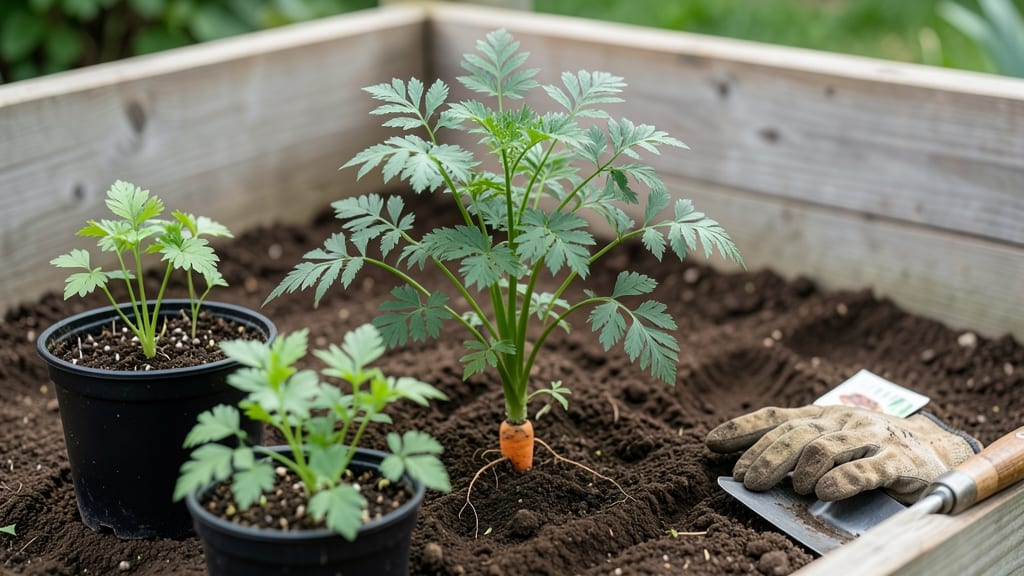
Planting carrots in Texas isn't just about grabbing seeds and dropping them in the dirt—it's about outsmarting the heat and avoiding those woody, bitter roots that ruin your harvest. The key? Timing your 🥕 plantings to match Texas' unpredictable frost dates and scorching summers.
Whether you're in the Panhandle or South Texas, the fall window (September-October) is your golden opportunity for sweet, crisp roots before winter chills set in. But here's the catch: North Texas gardeners have earlier frost risks than their South Texas counterparts, so your planting schedule should shift accordingly.
I've tested the best strategies to extend your harvest season—from succession planting to heat-resistant varieties—and I'll show you exactly how to get continuous carrots without the stress. Let's dive into the Texas-specific timeline that'll keep your garden productive all year.
Ready to grow carrots that taste as good as they look? You'll learn the precise months to plant, how to prep your soil for Texas' sandy conditions, and even how to trick your carrots into growing through the heat. No more guesswork—just crisp, homegrown success.
Texas carrot planting calendar: best months by region (north vs. Central vs. south)
Texas' diverse climate means your carrot planting schedule depends heavily on whether you're in the North Texas Panhandle, the Central Hill Country, or the South Texas Gulf Coast.
Each region has unique frost dates and soil temperature requirements that dictate the perfect window for sowing sweet, crisp roots. Get this wrong, and you'll either face frost damage or woody, bitter carrots from summer heat.
For all Texas gardeners, the ideal soil temperature for carrot germination is between 60°F and 75°F. Below 50°F, seeds may rot in the soil, while above 85°F, they'll struggle to sprout at all.
This narrow window is why timing is everything—especially in Texas' extreme summer heat and unpredictable winter frosts.
Here's how to align your planting with Texas' three distinct regions to maximize your harvest potential:
In North Texas, where winters can be harsh, focus your efforts on fall planting (August-September) for a harvest before the first frost hits in mid-November. The soil in this region often stays cooler longer, giving you a slightly extended window compared to Central or South Texas.
For spring, wait until mid-February when soil temperatures reliably reach 60°F.
Central Texas gardeners have the most flexibility thanks to milder winters. You can start fall planting as early as early September and still enjoy a harvest through December.
Spring planting should begin in early March to avoid the heat of April and May, which can cause bolting (when carrots flower prematurely and become woody).
For those in South Texas, where frost is rare but summer heat is intense, prioritize fall planting between mid-September and October. This gives your carrots time to mature before temperatures climb again in late fall.
Spring planting should wrap up by mid-March to avoid the brutal summer conditions that make carrot growing nearly impossible.
Pro tip: In all regions, amend your soil with compost or aged manure before planting to improve drainage and prevent forking. Texas soils can be heavy clay in some areas and sandy in others—both extremes challenge carrot growth.
Aim for a loamy texture that's fine and crumbly, like a cake batter. This is especially critical in North Texas, where clay soils dominate.
Don't forget about succession planting! In Central and South Texas, you can make weekly sowings from September through November for a continuous harvest. Just be sure to thin seedlings to 2-3 inches apart as they grow—crowded carrots turn small and misshapen.
This strategy works beautifully in South Texas, where the growing season extends longer into fall.
Finally, watch for bolt-resistant varieties like Danvers or Nantes if you're pushing the limits in North Texas during spring. These varieties tolerate cooler temperatures better and are less likely to bolt when days start lengthening in late winter.
For South Texas, consider short-day varieties that mature quickly before summer heat sets in.
With this regional breakdown, you'll know exactly when to plant carrots in Texas—whether you're battling Panhandle frosts, Austin heat waves, or Houston humidity. The key is matching your planting window to your local frost dates and soil conditions for the crispiest, sweetest carrots all season long. 🥕
How to extend your carrot harvest in Texas: successive planting strategies
Texas heat can turn your carrot dreams into woody nightmares, but with the right strategies, you can enjoy fresh roots all year. The key is successive planting—staggering your crops to avoid bolting and maximize your harvest.
I’ve learned that shade cloth, soil moisture tricks, and companion planting are game-changers for Texas gardeners.
Carrots in Texas face two major enemies: sandy soil (which causes forking) and drought stress (which turns them bitter). By using mulch, shade cloth, and consistent moisture, you can trick your carrots into growing sweet and straight even in the heat.
Let’s break down my proven methods for extending your harvest season.
- 1 Plant every 2-3 weeks from September to March for a continuous supply. Start with fall crops (Sept-Oct) and transition to spring crops (Feb-Mar) as temperatures drop.
- 2 Use 30-50% shade cloth in summer months (June-Aug) to prevent bolting. Carrots bolt when temps exceed 85°F, so shade keeps them cool and sweet.
- 3 Mulch heavily with straw or wood chips to retain moisture in sandy Texas soil. This prevents cracks and keeps roots tender. Replenish mulch every 4-6 weeks.
- 4 Companion plant with leeks, onions, or rosemary to deter pests like carrot flies. Avoid planting near dill or parsley, which attract the same pests.
- 5 Water deeply in the morning (6-8 AM) to prevent evaporation. Use drip irrigation for consistent moisture without wetting foliage (which causes disease).
One of my biggest mistakes was skipping the shade cloth in peak summer—my carrots bolted before I could harvest them. Now, I treat it like armor for my crops. Pair this with drip irrigation to keep the soil evenly moist without wasting water, which is critical in Texas’ dry climate.
For sandy soil, I add compost and aged manure before planting to improve texture. This prevents forking and encourages straight, sweet roots. Test your soil first—Texas soil can be tricky, and carrots need fine, loose soil to grow properly.
If your soil is too dense, mix in sand and compost for the perfect texture.
Don’t forget to harvest regularly! Carrots left too long in the ground become tough and woody, especially in heat. Aim to harvest when roots are 3/4 to 1 inch in diameter for the sweetest flavor.
If you’re not ready to eat them all, store them in sand or sawdust in a cool, dark place to extend their shelf life.
With these strategies, you can enjoy homegrown carrots from fall through spring—no more store-bought roots when you can have fresh, crisp ones straight from your garden. The secret? Staggered planting, shade, and moisture control—simple but effective for Texas conditions. 🌱