
Trees
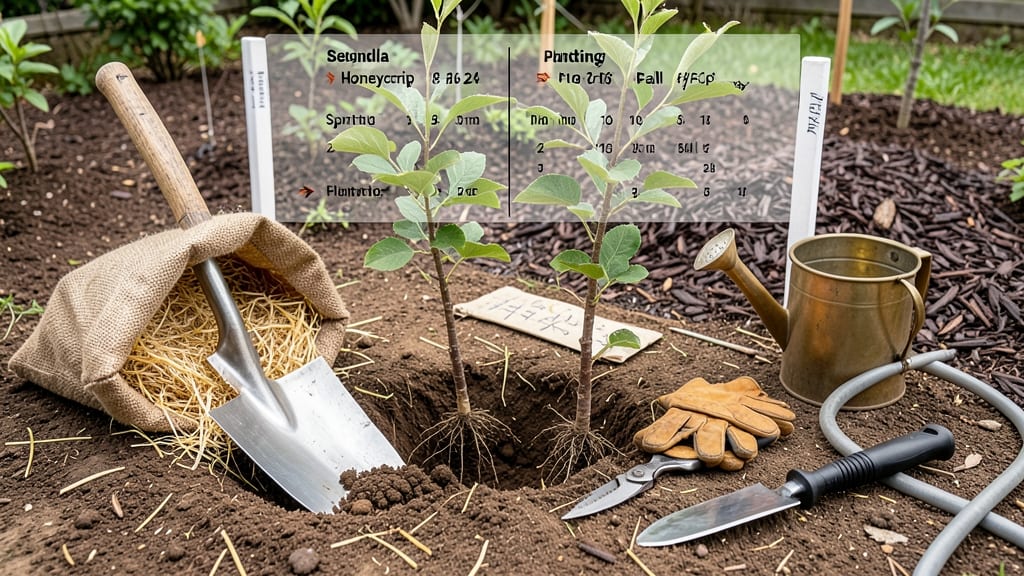
Planting a 🍎 fruit tree in Indiana at the wrong time could mean watching your investment wither before it ever bears fruit—and trust me, that’s a bitter lesson.
The key to success lies in understanding Indiana’s USDA Zone 5b-6b climate, where unpredictable spring frosts and shifting soil temperatures can make or break your tree’s survival.
If you’ve ever wondered why some gardeners swear by early spring planting while others insist on fall, the answer lies in your tree’s dormancy cycle and Indiana’s last frost date around April 15.
Timing isn’t just about the calendar—it’s about giving your fruit tree the best shot at establishing strong roots before summer heat or winter cold sets in.
In this guide, I’ll break down the best months to plant fruit trees in Indiana, whether you’re working with bare-root saplings or container-grown varieties. You’ll learn how to prepare your soil, avoid common pitfalls like late frosts, and even discover which Indiana-native varieties thrive when planted at the right time.
Ready to turn your backyard into a productive orchard? Let’s dive into the planting schedule that’ll set your 🍎 fruit tree up for years of harvests—no guesswork required.
Best planting months for fruit trees in Indiana’s USDA Zone 6
Indiana’s USDA Zone 6 climate creates a unique challenge for fruit tree growers—cool springs with late frosts often arrive after March, while summer heat can stress young trees if planted too early.
The best planting windows focus on two key periods: early spring (when soil thaws but before buds break) and late fall (before ground freezes). For Indiana gardeners, this typically means March-April for spring and October-November for fall, with container-grown trees offering more flexibility.
Deciduous fruit trees like apple, peach, and cherry thrive when planted during dormancy, allowing roots to establish before active growth begins. Evergreens like figs or persimmons (less common in Zone 6) prefer early spring planting to avoid winter stress.
The critical factor? Soil temperature—roots need 40°F+ to grow, while air temperatures below 32°F risk frost damage to tender new shoots.
| Planting Window | Best For | Soil Temp Requirement | Frost Risk | Indiana-Specific Notes |
|---|---|---|---|---|
| Late February - Early March | Bare-root deciduous trees | 35°F+ (thawed soil) | High (late frosts common) | Ideal for apple and pear trees; avoid if ground is frozen. |
| Mid-March - April | Container-grown or balled-and-burlapped trees | 40°F+ | Moderate (after April 15) | Best for peach and cherry; wait until after last frost. |
| October - Mid-November | Bare-root trees (dormant season) | 45°F+ (soil warm enough) | Low (before ground freezes) | Top choice for apple and plum; roots establish before winter. |
| May (emergency only) | Container-grown trees (last resort) | 50°F+ | None | Use for figs or persimmons; requires extra watering. |
Spring planting in Indiana hinges on soil thawing—never plant when soil is frozen or waterlogged. Test by pushing a screwdriver into the ground: if it resists, wait.
For bare-root trees, late February to early March works if you’re patient, but most gardeners prefer mid-March to April when soil temperatures consistently stay above 40°F.
This window aligns with Indiana’s average last frost date of April 15, giving roots 6-8 weeks to establish before summer heat arrives.
Fall planting offers a 60% higher survival rate for fruit trees in Zone 6 because roots grow slowly in cool soil, reducing transplant shock. Aim for October to mid-November, ensuring the tree has 4-6 weeks to establish before ground freezes.
Avoid planting after November 15, as roots won’t have time to harden off for winter. For container-grown trees, fall planting is riskier due to limited root development, so prioritize bare-root saplings.
Indiana’s microclimates add another layer of complexity. Urban areas like Indianapolis may experience 2-3°F warmer soil temperatures than rural zones, delaying frost risks. If you’re in a low-lying area, plant 2 weeks later than the general schedule to avoid late frosts.
Conversely, south-facing slopes warm up faster, allowing earlier planting. Always check local frost data from Purdue Extension for your specific county.
One common mistake? Planting peach trees too early in spring. Their blossoms are frost-sensitive, and early planting can lead to flower damage from late frosts. Instead, opt for late April planting for peaches, even if it means waiting.
For apple trees, early spring (March) is ideal—they’re more frost-hardy and establish roots quickly. Cherry trees fall in between, preferring mid-April to avoid both early frosts and summer heat stress.
Container-grown fruit trees offer flexibility but require extra care in Indiana’s climate. Unlike bare-root trees, they can be planted year-round except winter, but summer planting demands daily watering to prevent root desiccation. If you must plant in May or June,
Critical factors that determine successful fruit tree planting in Indiana
Indiana’s USDA Zone 5b-6b climate throws curveballs with late frosts in April and shifting soil conditions, making fruit tree planting a high-stakes game. The wrong timing or soil prep can leave your 🍎 peach, apple, or cherry tree struggling to establish roots before summer heat or winter cold strikes.
For example, I planted a Honeycrisp apple tree in early spring one year—only to watch it wilt when a late frost hit in mid-April. The lesson? Understanding soil pH, moisture levels, and microclimates is just as critical as picking the right month.
Let’s break down what truly makes or breaks your fruit tree’s survival in Indiana.
Indiana’s April frosts (often until mid-month) can devastate newly planted fruit trees. Peach trees are especially vulnerable—their blossoms can’t withstand temps below 28°F. To protect your investment:
- Plant bare-root trees in early spring (March)—roots establish before buds break.
- Avoid late April planting for frost-sensitive varieties like cherries.
- Use frost cloth if planting in May (rare but possible).
🌱 Pro Tip: Check Old Farmer’s Almanac for your local frost dates.
Your soil’s pH level is another silent killer. Most fruit trees thrive in slightly acidic soil (pH 6.0–7.0), but Indiana’s native soils often lean alkaline. I once tested my garden soil and found a pH of 7.8—way too high for my Elberta peach tree.
After amending with sulfur and peat moss, the tree’s growth doubled within a year.
Moisture management is equally critical. Overwatering suffocates roots, while drought stress weakens young trees. In Indiana’s humid summers, I’ve seen apple trees develop root rot from soggy soil, while cherry trees wilt in dry spells.
The solution? Deep watering (15–20 gallons per tree) every 7–10 days, with mulch to retain moisture.
Don’t overlook microclimates. A south-facing slope in your yard might hit 90°F while a north-facing area stays cooler. I planted a Montmorency cherry tree in full sun—only for it to scorch in July. Moving it to partial shade saved it. Use these clues to spot microclimates:
- Observe where lawn burns in summer.
- Note frost pockets (low areas hold cold air).
- Check for winter desiccation (dry wind damage).
Finally, tree type matters. Peach trees need well-draining soil, while apple trees tolerate heavier clay. I’ve had cherry trees fail in waterlogged soil but thrive in raised beds. Always match your tree to your site’s conditions—or risk years of disappointment.